Today we'll discuss all three lectionary readings and talk about God who covenants with us in love and grace. RCL also includes Psalm 46 (of course).
Jeremiah 31:31-34
31"The days are surely coming," says the Lord, "when I will make a new covenant with the house of Israel and the house of Judah. 32It will not be like the covenant that I made with their ancestors when I took them by the hand to bring them out of the land of Egypt―a covenant that they broke, though I was their husband, says the Lord. 33But this is the covenant that I will make with the house of Israel after those days, says the Lord: I will put my law within them, and I will write it on their hearts; and I will be their God, and they shall be my people. 34No longer shall they teach one another, or say to each other, 'Know the Lord,' for they shall all know me, from the least of them to the greatest, says the Lord; for I will forgive their iniquity, and remember their sin no more."
Jeremiah was very much into the ten commandments we've already described as how we live together in community. This passage from Jeremiah is about breaking the commandments of the Sinai Covenant—"out of the land of Egypt."
charter covenant or grant covenant – Abraham; David
treaty covenant or suzerainty covenant: if / then
Sinai Covenant: Exodus 10:1-7; Deuteronomy 5:14-21 if, then
Covenant makes demands but also makes provisions for restoration
Romans 3:19-28
19Now we know that whatever the law says, it speaks to those who are under the law, so that every mouth may be silenced, and the whole world may be held accountable to God. 20For “no human being will be justified in his sight” by deeds prescribed by the law, for through the law comes the knowledge of sin. 21But now, apart from law, the righteousness of God has been disclosed, and is attested by the law and the prophets, 22the righteousness of God through faith in/ of Jesus Christ for all who believe. For there is no distinction, 23since all have sinned and fall short of the glory of God; 24they are now justified by his grace as a gift, through the redemption that is in Christ Jesus, 25whom God put forward as a sacrifice (propitiation) of atonement by his blood, effective through faith. He did this to show his righteousness, because in his divine forbearance he had passed over the sins previously committed; 26it was to prove at the present time that he himself is righteous and that he justifies the one who has faith in Jesus. 27Then what becomes of boasting? It is excluded. By what law? By that of works? No, but by the law of faith. 28For we hold that a person is justified by faith apart from works prescribed by the law.
Romans is Paul's [not always very] systematic theology
Abraham, father in faith of both Jews and gentiles? He was not circumcised when God covenanted with him.
covenant: God's election and God's promise. Not much difference between Judaism and Christianity: we enter covenant relationship by birth or by baptism, and absolutely by the election and grace of God. Obedience is how we remain in the covenant.
"works of the law" = circumcision, keeping kosher. "Works of the law" almost never means keeping the commandments.
grace and faith: patron and client // Paul's audience knew that arrangement very well
Throughout this Romans passage, "sin" is missing the mark
3:22 probably faith of IX rather then faith in IX.
3:24 redemption is deliverance
justice, righteousness, just, justifier, justifying = same word throughout for God and for us. Acquitted at the bar of justice!
A little about the New Perspective on Paul without labeling it as such—among other things, Paul's Jews very very definitely were not Martin Luther's Roman Catholics!
John 8:31-36
31Then Jesus said to the Jews who had believed in him, "If you continue (abide) in my word [logo], you are truly my disciples; 32and you will know the truth, and the truth will make you free." 33They answered him, "We are descendants of Abraham and have never been slaves to anyone. What do you mean by saying, 'You will be made free'?" 34Jesus answered them, "Very truly, I tell you, everyone who commits sin is a slave to sin. 35The slave does not have a permanent place (does not abide) in the household; the son has a place {abides} there forever. 36So if the Son makes you free, you will be free indeed."
As sometimes happens, this NRSV translation misses that in Greek all three words are the same:
v.31 If you continue (abide) in my word; v.35 the slave does not continue have a permanent (abiding) place // the son has a place there (abides) forever.
8:31 If you remain in my word, truly my disciples (truly of me) you are, because Jesus is the incarnate Word!
The past few weeks we've been discussing servants and servanthood – diakonos, deacons The Greek here is doulos or slave rather than diakonos. Implications? Difference?
In English we talk about both freedom and liberty. Ideas? References?
free in this pericope is eleutheria, which also has some currency in the English language
Descendants of Abraham? Abraham as our ancestor? Descendants of Martin Luther? Martin Luther as our ancestor?
God who covenants with us in love and grace; whose final answer is resurrection from the dead!
Monday, October 26, 2015


Monday, October 19, 2015
Pentecost 21B
Proper 24 / Ordinary Time 29 / Pentecost 21B
authority and servanthood; expectations and surprise
Mark 10:35-45
35James and John, the sons of Zebedee, came forward to him and said to him, "Teacher, we want you to do for us whatever we ask of you." 36And he said to them, "What is it you want me to do for you?" 37And they said to him, "Grant us to sit, one at your right hand and one at your left, in your glory." 38But Jesus said to them, "You do not know what you are asking. Are you able to drink the cup that I drink, or be baptized with the baptism that I am baptized with?" 39They replied, 'We are able." Then Jesus said to them, "The cup that I drink you will drink; and with the baptism with which I am baptized, you will be baptized; 40but to sit at my right hand or at my left is not mine to grant, but it is for those for whom it has been prepared."
41When the ten heard this, they began to be angry with James and John. 42So Jesus called them and said to them, "You know that among the Gentiles those whom they recognize as their rulers lord it over them, and their great ones are tyrants over them. 43But it is not so among you; but whoever wishes to become great among you must be your servant, 44and whoever wishes to be first among you must be slave of all. 45For the Son of Man came not to be served but to serve, and to give his life a ransom for many."
Also in Matthew 20:20-28, {also immediately following Jesus' talk about his death), where the mother of the Sons of Zebedee asks Jesus. Great discussion yesterday when someone asked me why Matthew has Mom ask; I suggested with Matthew writing to a Jewish audience and bringing in features such as sacrificial law, Jesus as the new King David and new Human David, he probably felt compelled to do that Jewish Mother thing, too.
In between last week's gospel reading and this week's, Jesus predicts his betrayal, death, and resurrection. Here, in Marks' gospel, that gospel gives us no resurrection account!
Verses 10:32-34 between last Sunday's gospel reading and this one have Jesus still "on the way" and predicting his betrayal and death 10:34 "...and shall kill him, and the third day he shall rise again."
Like last week they're still on the way―to the cross, to Jerusalem, to lives of service.
"Jesus isn't merely a person; Jesus also is a road, a way." –Jürgen Moiltmann
Barbara suggested the guys who found Peter's boldness so arrogant now wanted to take their turn. How dare they? I suggested the intimacy and trust of friendship.
doxa / glory: as in doxology glory of the cross!
Two bandits will grace Jesus’ left and right in the glory of his crucifixion (15:27).
God's power, sovereignty and glory: look to the vulnerability of the bethlehem manger; look to the cross.
10:43 ethnos nations – not necessarily the Jew / Gentile dichotomy we sometimes make
ransom, lutron, to loose, set free • lutrosis = redemption
• Matthew 20:28: "to give his life a ransom for many."
• Mark 10:45: "to give his life a ransom for many."
Jesus refers to a ransom, which is a payment for the release of a slave. Charlene picked up on kinsman-redeemer. Ched Myers points out the connection between this and the exhortation to be a "slave" in the previous verse, as well as the paradox about losing life to save it (8:35).
Myers points out Jesus has transformed the way of servanthood" into the way of liberation.
servant throughout this passage is "diakonos"
We had an excellent discussion about servanthood and service.
deacons in the church?
world facing rather than church-facing, the servant class that looks for and responds to needs of the word.
Acts 6:3-6
The early church first ordained deacons, not elders or ministers of word and sacrament.
Originally deacons served the surrounding community rather than parish insiders.
this is what the early church looked like to the world looking at it, evaluating it. Followers of the way to the cross and resurrection.
worship assistant / assisting minister / liturgist at worship / deacon
notes for myself I didn't bring into the class discussion:
Ched Myers calls Mark 8:22 - 10:46 his discipleship catechism
two stories of blind men getting their sight back frame this sandwich filling section of Mark's Gospel
1. Blind man, "trees walking," 8:22-26
&
2. Blind Bartimaeus, Mark 10:46-52
authority and servanthood; expectations and surprise
Mark 10:35-45
35James and John, the sons of Zebedee, came forward to him and said to him, "Teacher, we want you to do for us whatever we ask of you." 36And he said to them, "What is it you want me to do for you?" 37And they said to him, "Grant us to sit, one at your right hand and one at your left, in your glory." 38But Jesus said to them, "You do not know what you are asking. Are you able to drink the cup that I drink, or be baptized with the baptism that I am baptized with?" 39They replied, 'We are able." Then Jesus said to them, "The cup that I drink you will drink; and with the baptism with which I am baptized, you will be baptized; 40but to sit at my right hand or at my left is not mine to grant, but it is for those for whom it has been prepared."
41When the ten heard this, they began to be angry with James and John. 42So Jesus called them and said to them, "You know that among the Gentiles those whom they recognize as their rulers lord it over them, and their great ones are tyrants over them. 43But it is not so among you; but whoever wishes to become great among you must be your servant, 44and whoever wishes to be first among you must be slave of all. 45For the Son of Man came not to be served but to serve, and to give his life a ransom for many."
Also in Matthew 20:20-28, {also immediately following Jesus' talk about his death), where the mother of the Sons of Zebedee asks Jesus. Great discussion yesterday when someone asked me why Matthew has Mom ask; I suggested with Matthew writing to a Jewish audience and bringing in features such as sacrificial law, Jesus as the new King David and new Human David, he probably felt compelled to do that Jewish Mother thing, too.
In between last week's gospel reading and this week's, Jesus predicts his betrayal, death, and resurrection. Here, in Marks' gospel, that gospel gives us no resurrection account!
Verses 10:32-34 between last Sunday's gospel reading and this one have Jesus still "on the way" and predicting his betrayal and death 10:34 "...and shall kill him, and the third day he shall rise again."
Mark 10
32They were on the road, going up to Jerusalem, and Jesus was walking ahead of them; they were amazed, and those who followed were afraid. He took the twelve aside again and began to tell them what was to happen to him, 33saying, "See, we are going up to Jerusalem, and the Son of Man will be handed over to the chief priests and the scribes, and they will condemn him to death; then they will hand him over to the Gentiles; 34they will mock him, and spit upon him, and flog him, and kill him; and after three days he will rise again."
Like last week they're still on the way―to the cross, to Jerusalem, to lives of service.
"Jesus isn't merely a person; Jesus also is a road, a way." –Jürgen Moiltmann
Barbara suggested the guys who found Peter's boldness so arrogant now wanted to take their turn. How dare they? I suggested the intimacy and trust of friendship.
doxa / glory: as in doxology glory of the cross!
Two bandits will grace Jesus’ left and right in the glory of his crucifixion (15:27).
God's power, sovereignty and glory: look to the vulnerability of the bethlehem manger; look to the cross.
10:43 ethnos nations – not necessarily the Jew / Gentile dichotomy we sometimes make
ransom, lutron, to loose, set free • lutrosis = redemption
• Matthew 20:28: "to give his life a ransom for many."
• Mark 10:45: "to give his life a ransom for many."
Jesus refers to a ransom, which is a payment for the release of a slave. Charlene picked up on kinsman-redeemer. Ched Myers points out the connection between this and the exhortation to be a "slave" in the previous verse, as well as the paradox about losing life to save it (8:35).
Myers points out Jesus has transformed the way of servanthood" into the way of liberation.
servant throughout this passage is "diakonos"
We had an excellent discussion about servanthood and service.
deacons in the church?
world facing rather than church-facing, the servant class that looks for and responds to needs of the word.
Acts 6:3-6
The early church first ordained deacons, not elders or ministers of word and sacrament.
Originally deacons served the surrounding community rather than parish insiders.
this is what the early church looked like to the world looking at it, evaluating it. Followers of the way to the cross and resurrection.
worship assistant / assisting minister / liturgist at worship / deacon
notes for myself I didn't bring into the class discussion:
Ched Myers calls Mark 8:22 - 10:46 his discipleship catechism
two stories of blind men getting their sight back frame this sandwich filling section of Mark's Gospel
1. Blind man, "trees walking," 8:22-26
&
2. Blind Bartimaeus, Mark 10:46-52
Monday, October 12, 2015
Pentecost 20B
Proper 23B/ Ordinary Time 28B / Pentecost 20
Mark 10:17-31
17As he was setting out on a journey, a man ran up and knelt before him, and asked him, "Good Teacher, what must I do to inherit eternal life?" 18Jesus said to him, "Why do you call me good? No one is good but God alone. 19You know the commandments: 'You shall not murder; You shall not commit adultery; You shall not steal; You shall not bear false witness; You shall not defraud [do not cheat]; Honor your father and mother.'" 20He said to him, "Teacher, I have kept all these since my youth." 21Jesus, looking at him, loved him and said, "You lack one thing; go, sell what you own, and give the money to the poor, and you will have treasure in heaven; then come, follow me." 22When he heard this, he was shocked and went away grieving, for he had many possessions.
23Then Jesus looked around and said to his disciples, "How hard it will be for those who have wealth to enter the kingdom of God!" 24And the disciples were perplexed at these words. But Jesus said to them again, "Children, how hard it is to enter the kingdom of God! 25It is easier for a camel to go through the eye of a needle than for someone who is rich to enter the kingdom of God." 26They were greatly astounded and said to one another, "Then who can be saved?" 27Jesus looked at them and said, "For mortals it is impossible, but not for God; for God all things are possible."
28Peter began to say to him, "Look, we have left everything and followed you." 29Jesus said, "Truly I tell you, there is no one who has left house or brothers or sisters or mother or father or children or fields, for my sake and for the sake of the good news, 30who will not receive a hundredfold now in this age―houses, brothers and sisters, mothers and children, and fields with persecutions―and in the age to come eternal life. 31But many who are first will be last, and the last will be first."
Thanks to Kenneth Bailey and Ched Myers for their help preparing this study―thanks to the astoundingly resource-filled internet, especially because most of my actual books still are in storage.
All three synoptics include this pericope, so it's important and we need to consider it.
• Matthew 19:16-23 (24-30)
• Luke 18:18-23 (24-30)
Walter Brueggemann insists the commandments are the working papers for covenantal community; they define the parameters and limits of our – relational – life together.
Mark brings us urban agricultural politics! We're all urban, but not agricultural in *that* way; this story still has a lot to say to us.
NRSV translates the Greek "as (Jesus) was going out into the way" very poorly as "setting out on a journey."
We've been discussing how incessant and relentless the way to Jerusalem and to the cross is in Mark's gospel.
In Luke's book of Acts, we first encounter The Way in 9:2
Jesus is going to Jerusalem to give his life, to die, but this guy asks how to live.
Rich Young Ruler? Mark IDs him only as a man with many possessions. Matthew says he is young (19:20), and Luke calls him a ruler, head honcho (18:18).
The guy asks about eternal life, which typically is the gospel-writer John's phrase. Matthew prefers Kingdom of Heaven, Luke uses Kingdom of God. Elsewhere in the synoptics we hear "eternal life" only in Matthew 25:46 and Luke 10:25.
Expected Middle-Eastern practice would have been for Jesus to return the guy's "good teacher" salutation in kind with something similarly complimentary and florid, but Jesus cuts to the chase. Besides, "only God is good," and to label anyone or anything else as good is blasphemy.
10:19 "do not defraud" isn't part of the Sinai Covenant in either Exodus or Deuteronomy, but Jesus inserts it apparently in place of commandment 10, do not covet. Connotation for fraud here in Koine Greek (different from in Classical Greek) here is withhold wages, not paying what the hirelings earned (Ched Myers via Vincent Taylor).
At the cost of the greater community, and at the cost of keeping the worker indentured forever, always "owing their soul to the company store," like many southern sharecroppers, like present-day workers who pay room and board from their wages and can't afford to live elsewhere. With all that wealth, the guy wouldn't be tempted to covet, but he would be tempted to cheat and defraud so he could keep the $$$ he had and get even more.
10:22 many possessions, acquisitions, in koine Greek refers mainly to land, "real" property; it also can include flocks and herds.
Jesus' new social and economic reality
Over how long a time span do you imagine this incident took place? 15-20 minutes? Two or three hours? A day or two?
We've discussed oral transmission of texts not being written words spoken out loud, but instead carrying along with spoken narrative the culture; familial, religious, other expectations and practices. And, of course, changing, adding, elaborating on and deleting details along the way. Far different from someone saying, "today when I preach instead of reading the text from scripture, I'm going to recite it from memory."
Money has value only because there's not enough to go around for everyone, and because it carries the full faith and trust of some government. Remember the Weimar Republic and its 50,000,000,000,000 mark notes? Hyperinflation or what?
Eye of the camel: Could be a very low gate in the city wall, so you needed to unpack your camel's pack so the camel could fit through the opening (largest animal, smallest gate). There's no record of such a gate in Jesus' day, but the gospels recorded this story considerably later.
"Camel" could refer to a thick rope made of camel hair, the same way we might say, "they've actually recorded that on vinyl!" Or I could say, "I'm wearing denim" cuz the fabric of my skirt (I wore to church) is denim. Referring to a whole by its constituent part or parts. For example, even a thin rope made of camel hair would be impossible to thread through even the fat eye of a needle the disciples used to mend nets.
Where We Live:
• What captures us?
• What captivates us?
• Urban agricultural politics and economics?
• Where do we place our trust? "In God we trust?!"
"For God all things are possible." Mark 10:27b
Resurrection from the dead!
Mark 10:17-31
17As he was setting out on a journey, a man ran up and knelt before him, and asked him, "Good Teacher, what must I do to inherit eternal life?" 18Jesus said to him, "Why do you call me good? No one is good but God alone. 19You know the commandments: 'You shall not murder; You shall not commit adultery; You shall not steal; You shall not bear false witness; You shall not defraud [do not cheat]; Honor your father and mother.'" 20He said to him, "Teacher, I have kept all these since my youth." 21Jesus, looking at him, loved him and said, "You lack one thing; go, sell what you own, and give the money to the poor, and you will have treasure in heaven; then come, follow me." 22When he heard this, he was shocked and went away grieving, for he had many possessions.
23Then Jesus looked around and said to his disciples, "How hard it will be for those who have wealth to enter the kingdom of God!" 24And the disciples were perplexed at these words. But Jesus said to them again, "Children, how hard it is to enter the kingdom of God! 25It is easier for a camel to go through the eye of a needle than for someone who is rich to enter the kingdom of God." 26They were greatly astounded and said to one another, "Then who can be saved?" 27Jesus looked at them and said, "For mortals it is impossible, but not for God; for God all things are possible."
28Peter began to say to him, "Look, we have left everything and followed you." 29Jesus said, "Truly I tell you, there is no one who has left house or brothers or sisters or mother or father or children or fields, for my sake and for the sake of the good news, 30who will not receive a hundredfold now in this age―houses, brothers and sisters, mothers and children, and fields with persecutions―and in the age to come eternal life. 31But many who are first will be last, and the last will be first."
Thanks to Kenneth Bailey and Ched Myers for their help preparing this study―thanks to the astoundingly resource-filled internet, especially because most of my actual books still are in storage.
All three synoptics include this pericope, so it's important and we need to consider it.
• Matthew 19:16-23 (24-30)
• Luke 18:18-23 (24-30)
Walter Brueggemann insists the commandments are the working papers for covenantal community; they define the parameters and limits of our – relational – life together.
Mark brings us urban agricultural politics! We're all urban, but not agricultural in *that* way; this story still has a lot to say to us.
NRSV translates the Greek "as (Jesus) was going out into the way" very poorly as "setting out on a journey."
We've been discussing how incessant and relentless the way to Jerusalem and to the cross is in Mark's gospel.
Hodon—"the way" is a code phrase for Jesus' journey to Jerusalem
Hodos is a movement the followers of Jesus
"Hodos is a perspective. It is a way of encountering the world and engaging those we meet through our new lives in Jesus Christ." Travis Meier, The Bartimaeus Effect
Hodos is a way of life.
In Luke's book of Acts, we first encounter The Way in 9:2
Jesus is going to Jerusalem to give his life, to die, but this guy asks how to live.
Rich Young Ruler? Mark IDs him only as a man with many possessions. Matthew says he is young (19:20), and Luke calls him a ruler, head honcho (18:18).
The guy asks about eternal life, which typically is the gospel-writer John's phrase. Matthew prefers Kingdom of Heaven, Luke uses Kingdom of God. Elsewhere in the synoptics we hear "eternal life" only in Matthew 25:46 and Luke 10:25.
Expected Middle-Eastern practice would have been for Jesus to return the guy's "good teacher" salutation in kind with something similarly complimentary and florid, but Jesus cuts to the chase. Besides, "only God is good," and to label anyone or anything else as good is blasphemy.
10:19 "do not defraud" isn't part of the Sinai Covenant in either Exodus or Deuteronomy, but Jesus inserts it apparently in place of commandment 10, do not covet. Connotation for fraud here in Koine Greek (different from in Classical Greek) here is withhold wages, not paying what the hirelings earned (Ched Myers via Vincent Taylor).
At the cost of the greater community, and at the cost of keeping the worker indentured forever, always "owing their soul to the company store," like many southern sharecroppers, like present-day workers who pay room and board from their wages and can't afford to live elsewhere. With all that wealth, the guy wouldn't be tempted to covet, but he would be tempted to cheat and defraud so he could keep the $$$ he had and get even more.
10:22 many possessions, acquisitions, in koine Greek refers mainly to land, "real" property; it also can include flocks and herds.
Jesus' new social and economic reality
Over how long a time span do you imagine this incident took place? 15-20 minutes? Two or three hours? A day or two?
We've discussed oral transmission of texts not being written words spoken out loud, but instead carrying along with spoken narrative the culture; familial, religious, other expectations and practices. And, of course, changing, adding, elaborating on and deleting details along the way. Far different from someone saying, "today when I preach instead of reading the text from scripture, I'm going to recite it from memory."
Money has value only because there's not enough to go around for everyone, and because it carries the full faith and trust of some government. Remember the Weimar Republic and its 50,000,000,000,000 mark notes? Hyperinflation or what?
Eye of the camel: Could be a very low gate in the city wall, so you needed to unpack your camel's pack so the camel could fit through the opening (largest animal, smallest gate). There's no record of such a gate in Jesus' day, but the gospels recorded this story considerably later.
"Camel" could refer to a thick rope made of camel hair, the same way we might say, "they've actually recorded that on vinyl!" Or I could say, "I'm wearing denim" cuz the fabric of my skirt (I wore to church) is denim. Referring to a whole by its constituent part or parts. For example, even a thin rope made of camel hair would be impossible to thread through even the fat eye of a needle the disciples used to mend nets.
Where We Live:
• What captures us?
• What captivates us?
• Urban agricultural politics and economics?
• Where do we place our trust? "In God we trust?!"
"For God all things are possible." Mark 10:27b
Resurrection from the dead!
Sunday, September 20, 2015
Pentecost 17B
Proper 20 / Ordinary Time 25 / 17th Sunday after the Day of Pentecost
Mark 9:30-37
30 They went on from there and passed through Galilee. He did not want anyone to know it; 31 for he was teaching his disciples, saying to them, "The Son of Man is to be betrayed into human hands, and they will kill him, and three days after being killed, he will rise again." 32 But they did not understand what he was saying and were afraid to ask him.
33 Then they came to Capernaum; and when he was in the house he asked them, "What were you arguing about on the way?" 34 But they were silent, for on the way they had argued with one another who was the greatest. 35 He sat down, called the twelve, and said to them, "Whoever wants to be first must be last of all and servant of all." 36 Then he took a little child and put it among them; and taking it in his arms, he said to them, 37 "Whoever welcomes one such child in my name welcomes me, and whoever welcomes me welcomes not me but the one who sent me."
"From there" was the previous pericope about Jesus casting out demons from a boy possessed by a deaf and dumb spirit (word here is spirit, same as we use for holy spirit), boy left for dead; Jesus rebukes the "foul spirit" with his voice and word, then touches him and raises him to new life. A resurrection account.
In the gospel text for today they've gone through Galilee, where again Jesus announces his pending betrayal, assassination, death, and (three days later) resurrection. Here he uses his favorite title, "Son of Man /Human One"—born of a woman. The human one killed by humans, by one of his own kind. The disciples didn't understand and feared to ask. As usual.
When and why do we fear what?
They get to Capernaum, Jesus' primary hangout and place of operation during his three-year public ministry. Another discussion of who would be greatest and best, probably wanted to be closest to their (fearless) leader Jesus. Jesus knows something is up, asks what, they're silent (embarrassed?).
Jesus says there is a way to be first: you gotta place yourself last among everyone; you need to serve everyone. Example of a little child (this is simply generic little kid, nothing special), and says part of this servant lifestyle is welcoming a child in the name of Jesus. Welcoming Jesus means welcoming the One Who sent Jesus—the Father.
Discussion of names: meaning, power, essence, other associations. Authority, esp with the name of Jesus! To know someone's name means to have power over them. Welcoming a child or welcoming anyone in the name of Christ?
The late pastor and chef Robert Farrar Capon reminded us God saves only the last, the least, the little, and the lost.
In the next section John complains to Jesus about someone casting out demons in the name of Jesus, who doesn't care about being anonymous, only that good ministry gets done because if they're not against us they're for us (the Jesus folks). A cup of water to those who bear the name of Christ!
The verses immediately before and after the gospel for today, Pentecost 17 bring us a kind of Marcan sandwich with casting out demons on the outside, ideas about greatness and servanthood on the inside.
"Shape us, Christ, to live and claim all it means to bear your name."
Thomas H. Troeger, Make Our Church One Joyful Choir
Mark 9:30-37
30 They went on from there and passed through Galilee. He did not want anyone to know it; 31 for he was teaching his disciples, saying to them, "The Son of Man is to be betrayed into human hands, and they will kill him, and three days after being killed, he will rise again." 32 But they did not understand what he was saying and were afraid to ask him.
33 Then they came to Capernaum; and when he was in the house he asked them, "What were you arguing about on the way?" 34 But they were silent, for on the way they had argued with one another who was the greatest. 35 He sat down, called the twelve, and said to them, "Whoever wants to be first must be last of all and servant of all." 36 Then he took a little child and put it among them; and taking it in his arms, he said to them, 37 "Whoever welcomes one such child in my name welcomes me, and whoever welcomes me welcomes not me but the one who sent me."
"From there" was the previous pericope about Jesus casting out demons from a boy possessed by a deaf and dumb spirit (word here is spirit, same as we use for holy spirit), boy left for dead; Jesus rebukes the "foul spirit" with his voice and word, then touches him and raises him to new life. A resurrection account.
In the gospel text for today they've gone through Galilee, where again Jesus announces his pending betrayal, assassination, death, and (three days later) resurrection. Here he uses his favorite title, "Son of Man /Human One"—born of a woman. The human one killed by humans, by one of his own kind. The disciples didn't understand and feared to ask. As usual.
When and why do we fear what?
They get to Capernaum, Jesus' primary hangout and place of operation during his three-year public ministry. Another discussion of who would be greatest and best, probably wanted to be closest to their (fearless) leader Jesus. Jesus knows something is up, asks what, they're silent (embarrassed?).
Jesus says there is a way to be first: you gotta place yourself last among everyone; you need to serve everyone. Example of a little child (this is simply generic little kid, nothing special), and says part of this servant lifestyle is welcoming a child in the name of Jesus. Welcoming Jesus means welcoming the One Who sent Jesus—the Father.
Discussion of names: meaning, power, essence, other associations. Authority, esp with the name of Jesus! To know someone's name means to have power over them. Welcoming a child or welcoming anyone in the name of Christ?
The late pastor and chef Robert Farrar Capon reminded us God saves only the last, the least, the little, and the lost.
In the next section John complains to Jesus about someone casting out demons in the name of Jesus, who doesn't care about being anonymous, only that good ministry gets done because if they're not against us they're for us (the Jesus folks). A cup of water to those who bear the name of Christ!
The verses immediately before and after the gospel for today, Pentecost 17 bring us a kind of Marcan sandwich with casting out demons on the outside, ideas about greatness and servanthood on the inside.
"Shape us, Christ, to live and claim all it means to bear your name."
Thomas H. Troeger, Make Our Church One Joyful Choir
Thursday, September 10, 2015
Katrina Again
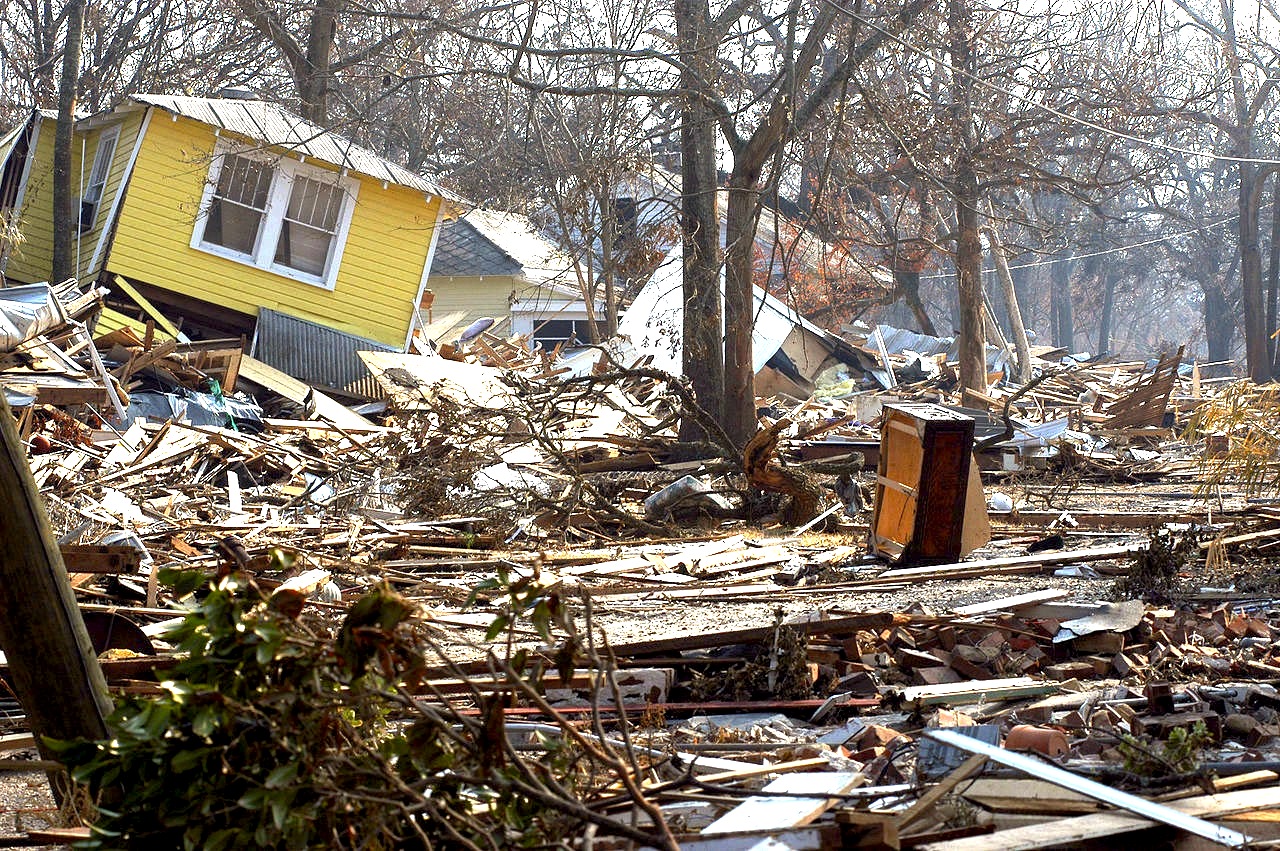
Last Saturday I posted Boundless Community intertwined with some thoughts on Katrina; here are some reflections about a couple of the RCL texts from last Sunday—a sabbath-day majorly in Katrina's wake:
Matthew 18:15-20Put on the Lord Jesus Christ! From Paul himself we know our baptismal clothing is Jesus' death and Christ's resurrection, leading to the demise of our false, unconnected selves and subsequent living in the reconciled community that in Christ Jesus is born, lives, breathes and keeps on dying and rising for the life of others—both in our own nearby communities (church, neighborhood, family, school, workplace) and those others geographically distant and/or culturally faraway from wherever we are, others we've never met and possibly never will meet.
15 "And if your brother sins against you, go and reprove him, just between the two of you. If he hears you, you have gained your brother. 16 But if he will not hear, take with you one or two more, that 'by the mouth of two or three witnesses every word may be established.' [Deuteronomy 19:15] 17 And if he refuses to hear them, tell it to the church. But if he refuses to hear even the church, let him be to you like a gentile and a tax collector.
18 "Truly I say to you, whatever you bind on earth will have been bound in heaven, and whatever you abolish on earth will have been abolished in heaven.
19 "Again truly I say to you, if two of you agree on earth concerning anything that they ask, it will be done for them by my Father in heaven. 20 For where two or three are gathered together in my name, I am there in the midst of them."
Romans 13:8-14
8 Owe no one anything else except to love one another, for anyone who loves another has fulfilled the law. 9 For the commandments, "You shall not commit adultery," "You shall not murder," "You shall not steal," "You shall not covet," [Exodus 20:13-15, 17; Deuteronomy 5:17-19, 21] and if there is any other commandment, are all summed up in this word, "You shall love your neighbor as yourself." [Leviticus 19:18] 10 Love does no evil to a neighbor; therefore love fulfills the law.
14 But put on the Lord Jesus Christ, and give no thoughts to gratifying the aimless desires of your flesh.
Paul insists we owe, we "ought" the love of Christ to every one another; the extravagantly unbounded love for us God demonstrated in Christ Jesus obliges us to return that love to every person we encounter and to all creation. Within the church community and in our imagined more-private interactions, love becomes the energetic power flowing through our community and keeping us joined together in the Spirit—maybe especially in times of discord and disagreement.
Paul compares love for others to a debt - an ought that we owe them - and summarizes all the commandments into one single directive: Love does no harm to a neighbor; therefore love is the fulfillment of the law. To understand the obligatory nature of a debt and the ensuing fallout when we don't attend to repaying that obligation, a person does not need to have reached anything resembling chronological maturity. In the Bible's economy and worldview, sin and debt essentially are synonymous.
Via Matthew, God calls upon us (the church, yep, we are the church!) carefully to care for one another radically and graciously, even vis-à-vis—especially in the face of—sin, offense or disagreement; Matthew tells us, the church, to begin by privately addressing the person with whom they are in conflict, next to seek impartial mediators [probably members of the church's governing board] to help resolve the situation, and then, it sounds as if the entire congregation needs to intervene.
Matthew quotes Jesus' pledge that his gracious, loving presence will be the power reconciling and uniting the two, the three - or the many - gathered together. The Matthean text disparagingly mentions "gentiles and tax collectors," but that reference probably did not come from Jesus of Nazareth; most likely it's Matthew the former tax-collector's gloss regarding interactions and conflicts within his own local church. By the way, Matthew is the only gospel-writer who uses the term "church," or ecclesia!
Both of these passages are about maintaining the fragile-appearing web of connectivity among church members, and I'd definitely carry it through to the entire world (right now in particular I'm thinking of New Orleans, Mississippi, Alabama and the entire Gulf Coast region), since our Father-God, Christ Jesus the Son and our brother, in the dynamic power of the Holy Spirit connect, reconcile and enable our interresponsibility for one another and for all creation. But for us - particularly in the churches of the Reformation, who tend to live as intellectual people of the Enlightenment, too often acting and thinking as "individuals" more than we do as members of community - what about the inevitable strain between perceived individual rights and necessary local and global community solidarity?
The dialogue partners in The Gospel in Solentiname, my favorite gospel commentary, propose regarding this text,
- "The publicans or tax collectors were the ones who collaborated with the Roman occupation, and the religious Jews considered them excluded from the Jewish community just like the pagans. But here Jesus isn't concerned with religious questions. He's saying that if somebody does evil and doesn't reform he ought to be excommunicated from the community. The unjust person (and not the person of another religion), that's the one that ought to be considered by us as 'pagan' or 'publican.'"
- "Which is like saying the oppressor or the collaborator of the oppressor. ...He has removed himself from the community. He's outside, but we have to fight to get him back in."
- "For Christ the ones who don't believe in God are the ones who don't love their neighbor, the ones who don't want to live in harmony with their companions."
- ..."You mustn't accuse anyone to the police judge in San Carlos. It's the community that must judge."
I tell you the truth; what you tie in this world will be tied also in heaven, and what you untie in this world will be untied in heaven."
"This means that everything the community decides will be ratified by God. ...all of us here are in agreement, God's also in agreement with us. ... You could almost say they're like the three Divine Persons. And the three Divine Persons are like a single true God. And the three persons who are in agreement would be three who are united with God." ...
"The people's verdict is the verdict of God, says Christ."
"...And Christ is there with them even though they don't realize it."
Because wherever two or three are gathered in my name, there am I in the midst of them.
Back to Katrina for a moment: within our own local churches, sometimes the air is so thick with irresolution and conflict, newcomers and visitors actually can feel the tension, so they drop out very quickly. The last section in the post I linked to at the beginning of this one includes:
- "...in the language of the Bible 'name' doesn't mean the name of a person but the person himself, or also what we now call the character of a person. When Christ speaks of gathering in his name he doesn't mean that they're going to be mentioning his name but that they'll be gathered in his spirit, in agreement with his teachings and his message. That community will have such great power because he will be in the midst of them."
- from The Gospel in Solentiname, volume 3, pages 152-158
God mightily acts to overcome the division between our old, solitary, disconnected existence and our new lives in the fullness of community. Baptism obliterates the boundaries and the unimportant distinctions between us and God and between us and every other facet of creation, human and not.Long, long ago, I read, reread and then read over again, I and Thou by Martin Buber. I don't know if the words are from that book, or maybe they were on a poster I once owned or noticed in a gallery, but the quote is from Buber:
...because of our irrevocably entwined lives, Katrina's wounded and broken are all of us, and the responsibility of every one of us, but especially those of us who live in Jesus Christ as The Church, who every day live aware we are the Kingdom of Heaven on earth. God calls us, and in the Spirit God empowers us, to be a crucified and resurrected presence among all people and all creation. As the Church and the churches, may we be, live and act as God calls us and the Spirit enables us: to be his presence, to live in trust and to act in compassion!
Love is the responsibility of an I for a thou.
Speaking of posters, maybe some of my readers know about the Benedictine Conception Abbey's Printery House? At once point in time I owned a bunch of them, but most poignantly a couple remain stuck in my memory: the first, with a quote from Harvey Cox, "Not to decide is to decide"—that one hung on the wall in my kitchen in Boston's North End, and when a mini-flood trickled down the wall from the kitchen above mine, it kind of like soaked the poster, which I decided wasn't in sufficiently optimal condition to take with me to my next sojourn in time and space. I have no clue what happened to the other, which featured a train whirring through the night on its way to wherever; that one read, "Life is a journey, not a destination." So much for asides!
Continuing about Katrina: I cannot say more than endlessly to reiterate that all of us form a single created and redeemed community and to wonder at the non-humanness of the Federal government's leadership and also wonder if part of it is not sheer ignorance? When I heard folks locally and on TV ask why the literally left-behind in the city - transformed from site of civilization into situation of devastation - by Katrina's wrath did not heed counsel to get out of town, I had to believe the people who asked that question were by no means uncompassionate or generally ignorant but they did not realize that too many Americans cannot jump into their SUV or related trophy vehicle, gas up and flee from the path of whatever physical or metaphorical storm that's about to hurtle into their territory because they lack the financial, psychological or whatever resources to do so.
Love is the responsibility of an I for a thou.
This blog began about last Sunday's lectionary texts...how can it be possible for any of us to bear and live out our responsibilities for each- and one-another? For all of us to live in community, thriving as citizens of a planet increasingly interconnected but also more and more fragmented in close to every imaginable way, we all must learn to perceive others' situations and needs as they really are. Is it possible for any of us to move beyond stereotypes and assumptions? You shall love your neighbor as yourself.
Thursday, September 03, 2015
Boundless Community … Katrina

Boundless Community intertwined with some thoughts on Katrina
Introduction
A few weeks ago I reposted my old blogs with titles so the recent posts code I added to the template actually would work throughout the blog, and in the process of doing so I came across one of many of my felicitous phrases: boundless community! As I do so often, I was writing about baptism when I wrote boundless community. As I do so routinely, I grabbed onto some words and began writing about them.
One of my excuses to myself for not finishing this earlier was the unusually hot and sultry weather here in paradise San Diego, and again we're having a lot of humidity, making the weather feel like Summers in the City I experienced living in Boston... in the course of not developing "Boundless Community" into publishable form I wrote some others for this far by faith, my testimony blog and I've left a couple things here on Desert Spirit's Fire, but since today is Saturday, September 3, it's more than high time I finished what I began on Sunday evening, July 24.
But first, I want to mention that this weblog, Desert Spirit's Fire, is aging! Here's my kick-off, Welcome from way back three summers and more than three dozen moons ago, July 16, 2002. Since then I've done close to a ton of customizing to the template (it fits the content well, so I probably won't switch to another one any time soon) in order to align it with most of the niceties most present-day blog templates come with by default.
Paradoxical Presence: Sacraments and Church
As closely as it relates to this blog I won't repost it here, but for more of what I've written about the Boundless baptismal/eucharistic Community, check this out from April 7, 2004: Sovereignty, Eucharist and Ascendancy. Okay, I will cite a bit of what I wrote, though it's extreme theological shorthand (almost to the point of crudeness!) with a hint of Luther and a scrap of Zwingli:
...the person presiding at eucharist holds the totality, entirety and completeness of the redeemed and restored cosmos in her or his hands in the person of the risen, ascended One Who also is now descended, once again "incarnate," among and within the gathered and transformed Eucharistic community...However, it seems well-nigh providential that I returned to this blog for maybe the dozenth time since beginning it, because when today I consider Boundless Community, I cannot help but agonize over the devastating toll hurricane Katrina has been taking in the excruciating suffering of all God's sentient beings - 2-legged, 4-legged and multi-legged - as well as the cost to the terrain and the waterways (far beyond the technical confines of Lake Pontchartrain and the Mighty Mississipp) and to the total infrastructure. Katrina has been a substantial jolt out of the surreality in which we amble and drift far too much of the time, and if repair, rebuilding, revitalization and the life-giving essential of the renewal of hope gets left to merely human devices and human power, possibly the damage and destruction will be beyond repair?
This past Wednesday evening I posted some Katrina-related scripture: "Who is this? Even the winds and the sea obey him!" from Mark 4, followed by the Pantocratur ascription from Revelation 11:17, and concluding with Revelation 21's New Heaven, New Earth, New Jerusalem-City of God, proclaiming to all:
"Now God pitches his tent and lives among all humanity, and God will travel alongside all the people wherever they may go. They will be God's people, and God himself will dwell with them and be their God. And God will wipe their tears from their eyes. No more will they know death or grief or sorrow or pain, because the old order of things has gone away."I pulled the passages out of my head (well, out of my experiences and theology) and left them without even minimal commentary or exegesis, because when I ponder the responsibility God gives us, the Church and the churches--the responsibility of being his presence, specifically the Presence of the crucified and risen Christ in the world, the exhibition of the Kingdom of Heaven to the world, it is scary awe-full and also reassuring, because God believes in us that much, God trusts that in the power of the Holy Spirit we can be his ambassadors and envoys, his healing, hope-restoring, life-renewing, transforming, mysterious, humanly illogical Eastered power!
Recognizing the Risen One
Boundless Community: didn't Paul insist we discern the body, recognizing and acknowledging the Risen Christ's hidden presence in the church and in the world—discerning the body particularly as we prepare to partake of the eschatological feast of the eucharist? ...although we need that admonition absolutely everywhere, all the time. The Body of the Risen Christ, also known as The Church and the churches supremely are a single body, one common community, eternally linked vertically and horizontally; admitting and living with those dimensions can make a person very uncomfortable.
Boundaries of any kind are time-limited and space-demarked human constructions, but because God knows and understands our human condition and its accompanying propensities so thoroughly, in Jesus of Nazareth God became one of us and lived a fully human life, in order to wipe out all of the barriers between earth and heaven, because in God's Sovereignty no such limitations can exist. Since Jesus Christ' birth, life, death, resurrection and ascension obliterated them forever by reconciling us to one another and to God, why do we still live and act as if this were the old order of the reign of death rather than the new order of the dominion of life?
Once more I need to recall the beginning of the First Lesson from Advent 1 in lectionary year B: Isaiah 64:1 O that you would tear open the heavens and come down, so that the mountains would quake at your presence...That's about a permanent breaking, a truly irreparable ripping apart and keeping apart forever of the obstacles and obstructions between heaven and earth. ...I've blogged on that text at least twice in this site, and since this coming-up Advent 2005 we'll begin RCL year B again, I'll probably theologize about it again.
In God's Sovereignty there are no limitations of time or space, of person, culture or creed, no distinctions of young, old, class or race, education or ethnicity. Today, Paul of Tarsus still tells us to discern the body, and Martin Luther's theology of the ubiquity of the Risen and Ascended Christ insists the Risen Christ is everywhere, not solely in the formally configured and institutionally recognized and authorized entity known as church.
Newness of Life
We teach and proclaim resurrection (is our central kerygma God's Self-revelation in Jesus of Nazareth or, indeed, is resurrection our primary hermeneutic?), but too much of the time we exist between death and life in a kind of no-person's land that's neither God's nor the devil's realm: we stay stuck in the three days and three nights in the Belly of the Great Fish, also known as three days and three nights in the Heart of the Earth. Nonetheless, with its nurturing, nutrient-rich, cushioning, fluid environment the Great Fish's Gut becomes a womb-like ambiance of safety and preparation for (re)-birth; the Earth's Heart reminds us of our origins in dust coupled with assurance of our ultimate return not to the dust but to a new re-borning to the fullness of resurrection.
Whether Belly of the Great Fish or Heart of the Earth, it's still about baptism, endlessly about baptism, meaning wherever we are and however we are (primarily to remind myself, it's fact, not feeling), it's about community and about our unbreakable connectedness to one another and to all creation, past, present and future. God mightily acts to overcome the division between our old, solitary, disconnected existence and our new lives in the fullness of community. Baptism obliterates the boundaries and the unimportant distinctions between us and God and between us and every other facet of creation, human and not.
Katrina the Hurricane's destruction affects each of us individually and each of our communities, whether church, neighborhood, city or any other group; because of our irrevocably entwined lives, Katrina's wounded and broken are all of us, and the responsibility of every one of us, but especially those of us who live in Jesus Christ as The Church, who every day live aware we are the Kingdom of Heaven on earth. God calls us, and in the Spirit God empowers us, to be a crucified and resurrected presence among all people and all creation. As the Church and the churches, may we be, live and act as God calls us and the Spirit enables us: to be his presence, to live in trust and to act in compassion!
Thursday, January 29, 2015
Epiphany 4 B bible study
Thursday Night Bible Study • 29 January • Epiphany 4 • 1 February 2015
Introduction to this study
Last week we talked about the good news (culture, kingdom, reign) of God and contrasted it with the more secular, worldly “profane” culture that surrounds us. With Jesus, we encountered fishers Simon-Peter and Andrew, along with the brothers Zebedee James and John with their boats by the seaside in their typical occupational context. We discussed leading and following. Moving right along in Mark 1, this week we find Jesus teaching in the synagogue on the sabbath.
“...he taught them as one having authority...”
Following and leading:
1. When we decide to follow someone, what gives that leader authority?
2. All of us agree on Jesus’ ultimate authority, but what traits would make us willing to follow someone else?
3. When we have little choice (at work, for example) but for practical or sometimes moral reasons would rather not follow someone, what options do we have?
Recognizing Jesus
So far in Mark’s gospel we’ve heard John the Baptist’s announcement of Jesus who “will baptize you with the Holy Spirit.” We’ve seen the manifestation of God’s Holy Spirit over the baptismal water; then the action of the Holy Spirit drives Jesus out from the riverside into the wilderness. The Greek text uses the same word “spirit” for both the Spirit of God and the unclean spirit possessing this guy.
4. Why did this man with an unclean spirit come into the synagogue?
5. What do you think was going on “just then” with him?
6. Say something about ritually clean and unclean in Jesus’ day.
7. Ideas about the unclean spirit that possessed him?
8. “What have you to do with us? I know who you are?” How did he recognize Jesus?
9. How do we recognize Jesus?
Spaces and Spirits: Holy/Clean – Unholy / Unclean
As Christians we think and talk a lot of sacred/secular holy/profane. We know God in Jesus Christ has brought heaven to earth. You probably can reference several passages of scripture that support that concept right away.
Including – Excluding – Hospitality – Boundaries
Life can be complicated. We know God welcomes everyone, excludes no one. In many ways we consider our homes, offices, and neighborhoods holy places we want to protect from misuse and from unwelcome entry by strangers and other outsiders. Most of us also do whatever we can do protect and restore the integrity of our natural environment, the wholeness of all creation. We do not want our spaces violated or desecrated. We know God’s extravagant hospitality excludes no one! God has created us in his image, and baptized us into new life in Jesus Christ, yet we also know we need to use common sense to protect our safety, the safety of our children, neighbors, and communities.
10. What criteria do you use for welcoming someone into your home?
11. What criteria do you use for inviting them to join you for a meal at a restaurant?
12. Do we consider people clean enough or possibly too unclean to join us?
13. How about Thursday evening family dinners?
14. How about worship in the church sanctuary? We commonly call our worship spaces sanctuaries = holy places. If you are an usher or greeter, would you dare prevent a newcomer from entering the sanctuary to join us at worship?
Possessions – Being Possessed
Our society is possessed—violence. sex. money. drugs. work. consumerism. debt. gambling (state lottery, powerball, anyone?). stuff. pornography. what else?
15. What does scripture tell us about material possessions?
16. Material goods (and bads) sometimes possess us. Less tangible, quantifiable goods (and bads) sometimes posses us, too. How about work? Careers? Even families? Are these all goods? Sometimes bads? Sometimes equivocal?
According to Scripture: commanding the spirits – a new teaching
The assembly in the synagogue (gathering place) has just witnessed Jesus’s words driving out the unclean spirit; despite the text telling us they were amazed, their asking if this is a new teaching seems tame, although they add “with authority.” The word here is authority rather than power. Difference in connotation? God gives all of us, baptized into Christ, authority over unclean spirits. A new teaching? From Jesus? To us? Now what?
Final thoughts: What insights have you gained in this study?
Prayer
Introduction to this study
Last week we talked about the good news (culture, kingdom, reign) of God and contrasted it with the more secular, worldly “profane” culture that surrounds us. With Jesus, we encountered fishers Simon-Peter and Andrew, along with the brothers Zebedee James and John with their boats by the seaside in their typical occupational context. We discussed leading and following. Moving right along in Mark 1, this week we find Jesus teaching in the synagogue on the sabbath.
Mark 1:21-28
21 They went to Capernaum; and when the sabbath came, he entered the synagogue and taught. 22 They were astounded at his teaching, for he taught them as one having authority, and not as the scribes. 23 Just then there was in their synagogue a man with an unclean spirit, 24 and he cried out, “What have you to do with us, Jesus of Nazareth? Have you come to destroy us? I know who you are, the Holy One of God.” 25 But Jesus rebuked him, saying, “Be silent, and come out of him!” 26 And the unclean spirit, convulsing him and crying with a loud voice, came out of him. 27 They were all amazed, and they kept on asking one another, “What is this? A new teaching—with authority! He commands even the unclean spirits, and they obey him.” 28 At once his fame began to spread throughout the surrounding region of Galilee.
“...he taught them as one having authority...”
Following and leading:
1. When we decide to follow someone, what gives that leader authority?
2. All of us agree on Jesus’ ultimate authority, but what traits would make us willing to follow someone else?
3. When we have little choice (at work, for example) but for practical or sometimes moral reasons would rather not follow someone, what options do we have?
Recognizing Jesus
So far in Mark’s gospel we’ve heard John the Baptist’s announcement of Jesus who “will baptize you with the Holy Spirit.” We’ve seen the manifestation of God’s Holy Spirit over the baptismal water; then the action of the Holy Spirit drives Jesus out from the riverside into the wilderness. The Greek text uses the same word “spirit” for both the Spirit of God and the unclean spirit possessing this guy.
4. Why did this man with an unclean spirit come into the synagogue?
5. What do you think was going on “just then” with him?
6. Say something about ritually clean and unclean in Jesus’ day.
7. Ideas about the unclean spirit that possessed him?
8. “What have you to do with us? I know who you are?” How did he recognize Jesus?
9. How do we recognize Jesus?
Spaces and Spirits: Holy/Clean – Unholy / Unclean
As Christians we think and talk a lot of sacred/secular holy/profane. We know God in Jesus Christ has brought heaven to earth. You probably can reference several passages of scripture that support that concept right away.
Including – Excluding – Hospitality – Boundaries
Life can be complicated. We know God welcomes everyone, excludes no one. In many ways we consider our homes, offices, and neighborhoods holy places we want to protect from misuse and from unwelcome entry by strangers and other outsiders. Most of us also do whatever we can do protect and restore the integrity of our natural environment, the wholeness of all creation. We do not want our spaces violated or desecrated. We know God’s extravagant hospitality excludes no one! God has created us in his image, and baptized us into new life in Jesus Christ, yet we also know we need to use common sense to protect our safety, the safety of our children, neighbors, and communities.
10. What criteria do you use for welcoming someone into your home?
11. What criteria do you use for inviting them to join you for a meal at a restaurant?
12. Do we consider people clean enough or possibly too unclean to join us?
13. How about Thursday evening family dinners?
14. How about worship in the church sanctuary? We commonly call our worship spaces sanctuaries = holy places. If you are an usher or greeter, would you dare prevent a newcomer from entering the sanctuary to join us at worship?
Possessions – Being Possessed
Our society is possessed—violence. sex. money. drugs. work. consumerism. debt. gambling (state lottery, powerball, anyone?). stuff. pornography. what else?
15. What does scripture tell us about material possessions?
16. Material goods (and bads) sometimes possess us. Less tangible, quantifiable goods (and bads) sometimes posses us, too. How about work? Careers? Even families? Are these all goods? Sometimes bads? Sometimes equivocal?
According to Scripture: commanding the spirits – a new teaching
The assembly in the synagogue (gathering place) has just witnessed Jesus’s words driving out the unclean spirit; despite the text telling us they were amazed, their asking if this is a new teaching seems tame, although they add “with authority.” The word here is authority rather than power. Difference in connotation? God gives all of us, baptized into Christ, authority over unclean spirits. A new teaching? From Jesus? To us? Now what?
Final thoughts: What insights have you gained in this study?
Prayer
Thursday, January 22, 2015
Epiphany 3 B bible study
Thursday Night Bible Study • 22 January • Epiphany 3 • 25 January 2015
Introduction to this study
So far in Mark:
1:1-3 we’ve heard Mark’s announcement of the beginning of the Good News;
1:4-8 met John the Baptist; [Advent 2]
1:9 witnessed Jesus’ baptism by John;
1:10-11 experienced a trinitarian theophany; [Baptism of Jesus]
We know about and again will hear about
1:12-13 the Holy Spirit driving Jesus into the wilderness for the biblical number of forty days. [Lent 1]
Backtracking: John 20:1-18
Last week in John’s gospel, we found Jesus in Galilee, where he found and called Philip, who then fetched Nathanael and told Nathanael “come and see!” We discussed our own experiences of being invited to church, to “come and see.”
The time is fulfilled; the kingdom of God has come near.
Closely paraphrasing Paul Nuechterlein, senior pastor at Prince of Peace ELCA, Portage, MI:
In a democratic world, we do not talk about reigns any more than we talk about kingdoms. But we do talk a whole lot about “culture”! So I suggest: “The time is fulfilled, and the culture of God has come near; repent, and believe in the good news.” What does it mean to distinguish God’s culture from human cultures? What does it mean to be “called out” of conventional human culture and the structures of this world to begin to be disciples of Jesus, the one who brings God’s culture near to us? Why is this such good news?
Thinking about Gospel / Good News
1. What do you think Mark means by “the beginning of the good news?”
2. What do you think Jesus means by “Good News”?
3. What information or announcement anywhere would you consider good news?
4. Rephrase Mark 1:15 in your own words.
5. As a student or in the workplace, how were you/are you at following directions?
6. As a parent, boss (manager, supervisor, group leader) how are you at giving instructions?
7. Is it easier to follow someone or to ask someone to follow?
Repent – Believe – Follow
Just like last week’s passage from John’s gospel, this one from the gospel according to Mark is about evangelism (being a messenger of the good news / inviting) and discipleship (following the good news of Jesus).
8. What criteria do you use for obeying an order or following a leader?
9. What does it mean to leave what you are doing and follow Jesus?
10. How easy is it for you to follow Jesus?
11. How are we similar to the Galilee fishermen?
12. How is our situation different from the Galilee fishermen’s?
Where we live: according to scripture
Jesus adds another level: not only are we to follow Jesus, but we are to invite others to follow him. Sometimes we subtly invite by allowing people to see how we live, observe our choices, and note our values. Hopefully, our lives become a witness to the incredible love of Christ. Other times, we directly ask people to learn about Christ and to follow him. Jesus contextualized his invitation using the vocabulary and tools of the trade of the people he was speaking to.
13. How can we translate our information about Jesus and our invitation to follow him into the spoken vocabulary and other languages of the people we meet?
14. What do you imagine a friend, neighbor, co-worker, acquaintance, that stranger you haven’t yet talked with might consider good news?
Where we live: God acts! Still.
Barbara Brown Taylor:
“What we may have lost along the way is a full sense of the power of God—to recruit people who have made terrible choices; to invade the most hapless lives and fill them with light; to sneak up on people who are thinking about lunch, not God, and smack them upside the head with glory.” Home by Another Way
Plainly and simply, God acts, whether or not we think we’re ready.
Final thoughts: What insights have you gained in this study?
Prayer
Introduction to this study
So far in Mark:
1:1-3 we’ve heard Mark’s announcement of the beginning of the Good News;
1:4-8 met John the Baptist; [Advent 2]
1:9 witnessed Jesus’ baptism by John;
1:10-11 experienced a trinitarian theophany; [Baptism of Jesus]
We know about and again will hear about
1:12-13 the Holy Spirit driving Jesus into the wilderness for the biblical number of forty days. [Lent 1]
Mark 1:14-20
14 Now after John was arrested, Jesus came to Galilee, proclaiming the good news of God, 15 and saying, “The time is fulfilled, and the kingdom of God has come near; repent, and believe in the good news.” 16 As Jesus passed along the Sea of Galilee, he saw Simon and his brother Andrew casting a net into the sea—for they were fishermen. 17 And Jesus said to them, “Follow me and I will make you fish for people.” 18 And immediately they left their nets and followed him. 19 As he went a little farther, he saw James son of Zebedee and his brother John, who were in their boat mending the nets. 20 Immediately he called them; and they left their father Zebedee in the boat with the hired men, and followed him.
Backtracking: John 20:1-18
Last week in John’s gospel, we found Jesus in Galilee, where he found and called Philip, who then fetched Nathanael and told Nathanael “come and see!” We discussed our own experiences of being invited to church, to “come and see.”
The time is fulfilled; the kingdom of God has come near.
Closely paraphrasing Paul Nuechterlein, senior pastor at Prince of Peace ELCA, Portage, MI:
In a democratic world, we do not talk about reigns any more than we talk about kingdoms. But we do talk a whole lot about “culture”! So I suggest: “The time is fulfilled, and the culture of God has come near; repent, and believe in the good news.” What does it mean to distinguish God’s culture from human cultures? What does it mean to be “called out” of conventional human culture and the structures of this world to begin to be disciples of Jesus, the one who brings God’s culture near to us? Why is this such good news?
Thinking about Gospel / Good News
1. What do you think Mark means by “the beginning of the good news?”
2. What do you think Jesus means by “Good News”?
3. What information or announcement anywhere would you consider good news?
4. Rephrase Mark 1:15 in your own words.
5. As a student or in the workplace, how were you/are you at following directions?
6. As a parent, boss (manager, supervisor, group leader) how are you at giving instructions?
7. Is it easier to follow someone or to ask someone to follow?
Repent – Believe – Follow
Just like last week’s passage from John’s gospel, this one from the gospel according to Mark is about evangelism (being a messenger of the good news / inviting) and discipleship (following the good news of Jesus).
8. What criteria do you use for obeying an order or following a leader?
9. What does it mean to leave what you are doing and follow Jesus?
10. How easy is it for you to follow Jesus?
11. How are we similar to the Galilee fishermen?
12. How is our situation different from the Galilee fishermen’s?
Where we live: according to scripture
Jesus adds another level: not only are we to follow Jesus, but we are to invite others to follow him. Sometimes we subtly invite by allowing people to see how we live, observe our choices, and note our values. Hopefully, our lives become a witness to the incredible love of Christ. Other times, we directly ask people to learn about Christ and to follow him. Jesus contextualized his invitation using the vocabulary and tools of the trade of the people he was speaking to.
13. How can we translate our information about Jesus and our invitation to follow him into the spoken vocabulary and other languages of the people we meet?
14. What do you imagine a friend, neighbor, co-worker, acquaintance, that stranger you haven’t yet talked with might consider good news?
Where we live: God acts! Still.
Barbara Brown Taylor:
“What we may have lost along the way is a full sense of the power of God—to recruit people who have made terrible choices; to invade the most hapless lives and fill them with light; to sneak up on people who are thinking about lunch, not God, and smack them upside the head with glory.” Home by Another Way
Plainly and simply, God acts, whether or not we think we’re ready.
Final thoughts: What insights have you gained in this study?
Prayer
Thursday, May 22, 2014
Easter 6A bible study
Thursday Night Bible Study • 22 May • Sixth Sunday of Easter • 25 May 2014
Introduction to this study
For the sixth Sunday of the 50-day long Easter season, Jesus continues his farewell discourses by instructing his followers to be obedient and keep the commandments, and by assuring them of his constant, forever presence in their lives. We experienced Jesus’ bestowal of the Holy Spirit on Easter Sunday evening; again in this passage, Jesus promises the gift of the Spirit.
Backward and Forward
Earlier in John 14, Jesus tells his followers he is the way, the truth, and the life; he says they
will accomplish even greater works than he has done. Sunday after next, on the Seventh and last Sunday of Easter, from John 17 we’ll hear Jesus’ High Priestly Prayer with his plea for unity among his followers. The following Sunday, the 50th day of Easter, will be the Day of Pentecost, and then the lectionary begins the long green season of Ordinary Time.
If you love me, you will keep my commandments.
1. “Keep the commandments.” What commandments is Jesus referring to?
2. “If you love me...” What is the connection between love and obedience?
3. Read Matthew 22:36-40
But isn’t Jesus all about grace, about the free, unmerited, unearned (can’t be bought or worked for) gift? Hebrew bible scholar Walter Brueggemann calls the Ten Commandments the working documents for covenantal community. He says obeying the commandments helps us keep our freedom.
4. What is the connection between obedience and freedom?
5. What is the connection between commitment and freedom—in marriage, in employment (for example)?
Martin Luther begins his Small Catechism, traditional preparation for First Communion, with the Ten Commandments.
6. But aren’t the sacraments all about grace, about gift?
7. What does it mean to obey Jesus?
An Advocate
“I will ask the Father, and he will give you another advocate.” Advocate as in counselor, defender, defense lawyer, helper, attorney—someone who reliably has your back.
8. What does is mean for you to have the Holy Spirit as advocate, defense attorney, by your side at all times?
Worlds and Orphans
In the New Testament, two different words typically get translated as “world.” Here in John 14, “world” means this created planet, a physical space and dwelling place; it also connotes people, institutions, and structures that possibly do not know, follow, or obey God. In the second paragraph, when Jesus promises not to leave us orphans, the Greek word is the same as our word for orphan.
9. Jesus will not leave us orphans? What does that promise feel like to you?
10. How do we experience the Spirit of Truth?
Where we live: according to scripture
This passage from John’s Gospel begins and ends with love, commandments, and obedience. The fulfillment of God’s promises to us depends upon the free, unearned gifts of grace, but they also depend upon our obedience.
John 14:21 They who have my commandments and keep them are those who love me; and those who love me will be loved by my Father, and I will love them and reveal myself to them.
11. What does Jesus mean when he tells us he and the Father will love and reveal themselves to those who love him?
12. Does God not love everyone?
The Fifty Days of Easter are almost over—Easter is a week of weeks (7 x 7). The Day of Pentecost is the fiftieth day of Easter!
13. How do we live in the Holy Spirit as Easter people every single day?
Final thoughts: What insights have you gained during this Easter season that will help you live Pentecost more fully?
Prayer
Introduction to this study
For the sixth Sunday of the 50-day long Easter season, Jesus continues his farewell discourses by instructing his followers to be obedient and keep the commandments, and by assuring them of his constant, forever presence in their lives. We experienced Jesus’ bestowal of the Holy Spirit on Easter Sunday evening; again in this passage, Jesus promises the gift of the Spirit.
John 14:15-21
15 “If you love me, you will keep my commandments. 16 And I will ask the Father, and he will give you another advocate, to be with you forever. 17 This is the Spirit of truth, whom the world cannot receive, because it neither sees him nor knows him. You know him, because he abides with you, and he will be in you.
18 “I will not leave you orphaned; I am coming to you. 19 In a little while the world will no longer see me, but you will see me; because I live, you also will live. 20 On that day you will know that I am in my Father, and you in me, and I in you. 21 They who have my commandments and keep them are those who love me; and those who love me will be loved by my Father, and I will love them and reveal myself to them.”
Backward and Forward
Earlier in John 14, Jesus tells his followers he is the way, the truth, and the life; he says they
will accomplish even greater works than he has done. Sunday after next, on the Seventh and last Sunday of Easter, from John 17 we’ll hear Jesus’ High Priestly Prayer with his plea for unity among his followers. The following Sunday, the 50th day of Easter, will be the Day of Pentecost, and then the lectionary begins the long green season of Ordinary Time.
If you love me, you will keep my commandments.
1. “Keep the commandments.” What commandments is Jesus referring to?
2. “If you love me...” What is the connection between love and obedience?
3. Read Matthew 22:36-40
But isn’t Jesus all about grace, about the free, unmerited, unearned (can’t be bought or worked for) gift? Hebrew bible scholar Walter Brueggemann calls the Ten Commandments the working documents for covenantal community. He says obeying the commandments helps us keep our freedom.
4. What is the connection between obedience and freedom?
5. What is the connection between commitment and freedom—in marriage, in employment (for example)?
Martin Luther begins his Small Catechism, traditional preparation for First Communion, with the Ten Commandments.
6. But aren’t the sacraments all about grace, about gift?
7. What does it mean to obey Jesus?
An Advocate
“I will ask the Father, and he will give you another advocate.” Advocate as in counselor, defender, defense lawyer, helper, attorney—someone who reliably has your back.
8. What does is mean for you to have the Holy Spirit as advocate, defense attorney, by your side at all times?
Worlds and Orphans
In the New Testament, two different words typically get translated as “world.” Here in John 14, “world” means this created planet, a physical space and dwelling place; it also connotes people, institutions, and structures that possibly do not know, follow, or obey God. In the second paragraph, when Jesus promises not to leave us orphans, the Greek word is the same as our word for orphan.
9. Jesus will not leave us orphans? What does that promise feel like to you?
10. How do we experience the Spirit of Truth?
Where we live: according to scripture
This passage from John’s Gospel begins and ends with love, commandments, and obedience. The fulfillment of God’s promises to us depends upon the free, unearned gifts of grace, but they also depend upon our obedience.
John 14:21 They who have my commandments and keep them are those who love me; and those who love me will be loved by my Father, and I will love them and reveal myself to them.
11. What does Jesus mean when he tells us he and the Father will love and reveal themselves to those who love him?
12. Does God not love everyone?
The Fifty Days of Easter are almost over—Easter is a week of weeks (7 x 7). The Day of Pentecost is the fiftieth day of Easter!
13. How do we live in the Holy Spirit as Easter people every single day?
Final thoughts: What insights have you gained during this Easter season that will help you live Pentecost more fully?
Prayer
Thursday, April 24, 2014
Easter 2A bible study
Thursday Bible Study • 24 April • Second Sunday of Easter • 27 April 2014
Introduction to this study
For the second Sunday of the 50-day long Easter season, we encounter the risen Jesus and his disciples two more times. We also hear about peace and about the Holy Spirit.
Backtracking: John 20:1-18
In John’s gospel, Mary Magdalene discovers Jesus’ empty grave “while it was still dark.” She runs and tells Peter and John Jesus no longer is in the grave! The tomb is empty, and the linen cloths/shroud are empty. Depending on the translation or version, the gospel reading for Easter Sunday, the day of resurrection, uses the word tomb eight or nine times! Mary Magdalene recognizes the risen Jesus only after he addresses her by name.
“Peace be with you: so I send you!”
Both times, on Easter evening and the following week, the doors were locked, but even locked doors cannot prevent the Risen Christ from entering a space and being with us. After speaking peace on the gathered assembly (twice!), Jesus breathed on them. The only other occurrence of this Greek word for breathe in the Bible is in a translation of Genesis 2:7 “And God formed the man (a-dam) of dust of the ground, and breathed into his nostrils the breath of life, and the human became a living being.” Humans then carried the breath of the divine within themselves.
1. How would you react or respond if someone entered a room despite closed or locked doors and windows? (The Greek uses the exact same word translated here as both locked and shut—you can’t get in easily.)
2. What is this about closed, locked doors? Here in the city? In rural areas? Metaphorically in our own lives and hearts?
3. What does “peace be with you” mean to you?
4. Passing of the peace on Sunday morning?
5. Does “so I send you” remind you of any other scripture passages? Where does God send us?
Doubting Thomas
In the second paragraph, one week later, Jesus’ disciples again gathered together at the same place, and this time Thomas was with them.
6. What do you think of Thomas’ not quite believing it truly was the risen Christ? Of his needing or demanding physical evidence?
7. Do you think there are differing levels or trust and belief? Or does a person believe or not?
8. What spiritual, physical, or natural expressions of God’s presence do we find in our lives?
9. The presence and gift of the crucified and risen Jesus Christ in the sacraments?
Where we live: according to scripture
Jesus came to his disciples to guide them through that first week after his crucifixion. He blessed them with his presence, his peace and his Holy Spirit. Here in the gospel of John, Jesus bestows the Holy Spirit on the evening of the Day of Resurrection.
10. What does having the Holy Spirit in your life mean for you every day?
11. What does your having the Holy Spirit in your life mean for others around you?
12. When has God given you the gift of peace?
13. How is the Holy Spirit at work in your life?
Where we live: Easter is Fifty Days
Easter is not a single Sunday; Easter is not even two or three Sunday. Easter is a week of weeks (7 x 7). The Day of Pentecost is the fiftieth day of Easter! We also know every Sunday is a “little Easter,” one reason many people do not observe their Lenten fasts and disciplines on the Sundays in Lent.
14. How do we live in the Holy Spirit of God and of the Christ as Easter people every single day?
Final thoughts: What insights have you gained in this study?
Prayer
Introduction to this study
For the second Sunday of the 50-day long Easter season, we encounter the risen Jesus and his disciples two more times. We also hear about peace and about the Holy Spirit.
John 20:19-31
19 When it was evening on that day, the first day of the week, and the doors of the house where the disciples had met were locked for fear of the Jews, Jesus came and stood among them and said, "Peace be with you.” 20 After he said this, he showed them his hands and his side. Then the disciples rejoiced when they saw the Lord. 21 Jesus said to them again, “Peace be with you. As the Father has sent me, so I send you.” 22 When he had said this, he breathed on them and said to them, “Receive the Holy Spirit. 23 If you forgive the sins of any, they are forgiven them; if you retain the sins of any, they are retained.”
24 But Thomas (who was called the Twin), one of the twelve, was not with them when Jesus came. 25 So the other disciples told him, “We have seen the Lord.” But he said to them, “Unless I see the mark of the nails in his hands, and put my finger in the mark of the nails and my hand in his side, I will not believe.”
26 A week later his disciples were again in the house, and Thomas was with them. Although the doors were shut, Jesus came and stood among them and said, “Peace be with you.” 27 Then he said to Thomas, “Put your finger here and see my hands. Reach out your hand and put it in my side. Do not doubt but believe.” 28 Thomas answered him, “My Lord and my God!”
29 Jesus said to him, “Have you believed because you have seen me? Blessed are those who have not seen and yet have come to believe.” 30 Now Jesus did many other signs in the presence of his disciples, which are not written in this book. 31 But these are written so that you may come to believe that Jesus is the Messiah, the Son of God, and that through believing you may have life in his name.
Backtracking: John 20:1-18
In John’s gospel, Mary Magdalene discovers Jesus’ empty grave “while it was still dark.” She runs and tells Peter and John Jesus no longer is in the grave! The tomb is empty, and the linen cloths/shroud are empty. Depending on the translation or version, the gospel reading for Easter Sunday, the day of resurrection, uses the word tomb eight or nine times! Mary Magdalene recognizes the risen Jesus only after he addresses her by name.
“Peace be with you: so I send you!”
Both times, on Easter evening and the following week, the doors were locked, but even locked doors cannot prevent the Risen Christ from entering a space and being with us. After speaking peace on the gathered assembly (twice!), Jesus breathed on them. The only other occurrence of this Greek word for breathe in the Bible is in a translation of Genesis 2:7 “And God formed the man (a-dam) of dust of the ground, and breathed into his nostrils the breath of life, and the human became a living being.” Humans then carried the breath of the divine within themselves.
1. How would you react or respond if someone entered a room despite closed or locked doors and windows? (The Greek uses the exact same word translated here as both locked and shut—you can’t get in easily.)
2. What is this about closed, locked doors? Here in the city? In rural areas? Metaphorically in our own lives and hearts?
3. What does “peace be with you” mean to you?
4. Passing of the peace on Sunday morning?
5. Does “so I send you” remind you of any other scripture passages? Where does God send us?
Doubting Thomas
In the second paragraph, one week later, Jesus’ disciples again gathered together at the same place, and this time Thomas was with them.
6. What do you think of Thomas’ not quite believing it truly was the risen Christ? Of his needing or demanding physical evidence?
7. Do you think there are differing levels or trust and belief? Or does a person believe or not?
8. What spiritual, physical, or natural expressions of God’s presence do we find in our lives?
9. The presence and gift of the crucified and risen Jesus Christ in the sacraments?
Where we live: according to scripture
Jesus came to his disciples to guide them through that first week after his crucifixion. He blessed them with his presence, his peace and his Holy Spirit. Here in the gospel of John, Jesus bestows the Holy Spirit on the evening of the Day of Resurrection.
10. What does having the Holy Spirit in your life mean for you every day?
11. What does your having the Holy Spirit in your life mean for others around you?
12. When has God given you the gift of peace?
13. How is the Holy Spirit at work in your life?
Where we live: Easter is Fifty Days
Easter is not a single Sunday; Easter is not even two or three Sunday. Easter is a week of weeks (7 x 7). The Day of Pentecost is the fiftieth day of Easter! We also know every Sunday is a “little Easter,” one reason many people do not observe their Lenten fasts and disciplines on the Sundays in Lent.
14. How do we live in the Holy Spirit of God and of the Christ as Easter people every single day?
Final thoughts: What insights have you gained in this study?
Prayer
Sunday, March 10, 2013
Lent 4C: Joshua
According to the Revised Common Lectionary, here's the First Reading for Sunday, Lent 4.
A few comments:
Along with Shechem, Shiloh and Bethel, Gilgal was one of the shrines of the tribal confederacy. This text hauntingly recounts the first Passover in the promised land of Canaan! Like our New Covenant sacraments, baptism and Holy Communion, Passover was sacramental remembrance, real-time re-enactment and anticipation of God's faithfulness in liberating, providing for and shaping the people into a community that reflects and enables God's own faithfulness and liberation.
It's another reminder of God's very physical and earthbound provision! Any times our lives lose the sense of uncertainty we've experienced in the desert's wildness and precariousness and we begin feeling comfortable and assured of life necessities beyond our very "daily bread," we almost inevitably begin trusting ourselves and our own power rather than God and God's power. Despite that fact,
"Today!" in this text is so present...rolled away the disgrace, the reproach of Egypt, rolled away the shabbiness and dis-grace of bondage and slavery, rolled in a life of freedom: resurrected life, Eastered life! "Today" is extremely close at hand, emphasizing we need to live "as if" we were still in the wilderness, as if we still were trusting God every moment for every bite and every breath, because in real life, we are in that liminal position we assumed when God acted in our baptism: being immersed in a situation of real bodily vulnerability and dependence, on the boundary between life on our own and life in community.
So you've (we've, I've) been to Gilgal, the place of rolling away doubts, pasts, fears, transgressions, regrets and anything else that's been getting in the way.
"Abandonment to God!" Out of my own control, into God's control and in a very real sense abandoned into the often not all that predictable embrace and support of the community!
From the Green Season of Pentecost 2010, here's some of what I need to consider right now: [Gilgal] Bethel [Jericho, Jordan].
Gilgal is a kind of onomatopoeia for the Hebrew word meaning "roll," as in roll away.
Joshua 5
9 The Lord said to Joshua, "Today I have rolled away from you the disgrace [NIV: reproach] of Egypt." And so that place is called Gilgal to this day.
10 While the Israelites were camped in Gilgal they kept the passover in the evening on the fourteenth day of the month in the plains of Jericho. 11 On the day after the passover, on that very day, they ate the produce of the land, unleavened cakes and parched grain. 12 The manna ceased on the day they ate the produce of the land, and the Israelites no longer had manna; they ate the crops of the land of Canaan that year. NRSV
A few comments:
Along with Shechem, Shiloh and Bethel, Gilgal was one of the shrines of the tribal confederacy. This text hauntingly recounts the first Passover in the promised land of Canaan! Like our New Covenant sacraments, baptism and Holy Communion, Passover was sacramental remembrance, real-time re-enactment and anticipation of God's faithfulness in liberating, providing for and shaping the people into a community that reflects and enables God's own faithfulness and liberation.
It's another reminder of God's very physical and earthbound provision! Any times our lives lose the sense of uncertainty we've experienced in the desert's wildness and precariousness and we begin feeling comfortable and assured of life necessities beyond our very "daily bread," we almost inevitably begin trusting ourselves and our own power rather than God and God's power. Despite that fact,
"Today!" in this text is so present...rolled away the disgrace, the reproach of Egypt, rolled away the shabbiness and dis-grace of bondage and slavery, rolled in a life of freedom: resurrected life, Eastered life! "Today" is extremely close at hand, emphasizing we need to live "as if" we were still in the wilderness, as if we still were trusting God every moment for every bite and every breath, because in real life, we are in that liminal position we assumed when God acted in our baptism: being immersed in a situation of real bodily vulnerability and dependence, on the boundary between life on our own and life in community.
So you've (we've, I've) been to Gilgal, the place of rolling away doubts, pasts, fears, transgressions, regrets and anything else that's been getting in the way.
"Abandonment to God!" Out of my own control, into God's control and in a very real sense abandoned into the often not all that predictable embrace and support of the community!
From the Green Season of Pentecost 2010, here's some of what I need to consider right now: [Gilgal] Bethel [Jericho, Jordan].
Gilgal
Thursday, February 07, 2013
Transfiguration C
Thursday Bible Study • 7 February • Transfiguration • Sunday • 10 February 2013
Introduction to this study
For this last Sunday of the Epiphany season, we receive a spectacular mountaintop vision, Jesus’ inclusion with Moses and Elijah – the law and the prophets – and affirmation of Jesus’ divine Sonship before we begin another 40-day journey through Lent toward Easter.
• Transfigure – "to change shape" • Transfiguration – "change of shape" •
Up to this point in Luke 9
Jesus called the twelve (together), and gave them power and authority over demons and to cure diseases. Jesus sent them out to proclaim the reign of God and to heal.... told them to receive the hospitality of strangers and to shake the dust off their feet if they weren’t welcomed. Jesus charged the twelve to feed the crowd – to "give them something to eat." Five loaves, two fish, taken, blessed, broken and given: "All ate and were filled." Who do those crowds say Jesus is, but who do you say I am? Peter’s confession of Jesus’ Messiahship; Jesus' prediction of his own passion, death, and resurrection, Jesus' charge and call to every one of us to take up a cross, lose our lives, save our lives. And now, Jesus transfigured on the mountain top!
Backtracking: read Exodus 34:29-35
The change in the appearance of Jesus' face is reminiscent of Moses' radiant face as he experienced the presence of God in Exodus 34:29-35. But Luke tells us Jesus' clothes become glowing, starry white, using similar words to his description of angelic figures in Luke 24:4 and Acts 1:10. Jesus' appearance becomes transformed not merely because he experiences God's glory like Moses did, but because he is the very source of divine glory.
1. What do you make of physical changes in Jesus' appearance?
2. Can you think of other similarities between Jesus and Moses?
Moses [revelation on Mount Sinai in Exodus 20:1-17] and Elijah [revelation on Mount Carmel in 1 Kings 19:12] – the Law and the Prophets – in verse 30 adds to affirm Jesus' identity. In Luke 24:25-27, 44-46, the risen Jesus himself will assert that Moses, the prophets, and the psalms point toward him; here in Luke 9:31 we hear how Moses and Elijah "were speaking of his departure, which he was about to accomplish at Jerusalem," anticipating Jesus' own teaching that he himself is the ultimate fulfillment of scripture.
3. During this Epiphany season we've talked a lot about prophets. In what sense did Jesus live a prophetic life?
4. How does God call us as prophets? In what sense can our lives be prophetic?
With Jesus on the mountain of the event called Transfiguration, Moses and Elijah, Peter, James, and John eye-witnessed a meeting of earth and heaven, the holiness of everything created. Within Judaism, clouds, mountains and other expressions of nature were traditional signs of God's presence. Heaven and earth also meet countless times in this world in which we live.
5. What physical or natural expressions of God's presence do we find in our lives?
6. God's presence in the sacraments?
Where We Live: according to scripture
In Philippians 3:20, the apostle Paul says we are citizens of heavens! That means the reign of God, the kingdom of heaven already is here, we're already there, we're already it.
7. How can we not continue living as light to the world, through Lent and beyond?
In Luke 17:21 Jesus says the kingdom of God, the reign of heaven already is among us, in the midst of us, within us! Just as to his earlier followers in Luke 9, Jesus gives us power and authority over demons and to cure diseases. Jesus sends us proclaim the reign of God and to heal. Jesus tells us to "give them something to eat." Who do we say Jesus is?
8. Power over demons, ability to cure diseases? How?
9. How do we in the Spirit live as the presence of God here on earth?
10. Why does Luke make table fellowship an important focus of his gospel?
11. How are aspects of our lives and the lives of others we touch transfigured by following Jesus?
Where We Live: Nelson Mandela on letting our light shine
"Our deepest fear is not that we are inadequate. Our deepest fear is that we are powerful beyond measure. It is our light, not our darkness that most frightens us. We were born to make manifest the glory of God that is within us. It's not just in some of us; it's in everyone. And as we let our own light shine, we unconsciously give other people permission to do the same. As we are liberated from our own fear, our presence automatically liberates others.”
Final thoughts: What insights have you gained in this study?
Prayer
Introduction to this study
For this last Sunday of the Epiphany season, we receive a spectacular mountaintop vision, Jesus’ inclusion with Moses and Elijah – the law and the prophets – and affirmation of Jesus’ divine Sonship before we begin another 40-day journey through Lent toward Easter.
Luke 9:28-36
28 Now about eight days after these sayings Jesus took with him Peter and John and James, and went up on the mountain to pray. 29 And while he was praying, the appearance of his face changed, and his clothes became dazzling white. 30 Suddenly they saw two men, Moses and Elijah, talking to him. 31 They appeared in glory and were speaking of his departure, which he was about to accomplish at Jerusalem. 32 Now Peter and his companions were weighed down with sleep; but since they had stayed awake, they saw his glory and the two men who stood with him.
33 Just as they were leaving him, Peter said to Jesus, "Master, it is good for us to be here; let us make three dwellings, one for you, one for Moses, and one for Elijah" —not knowing what he said. 34 While he was saying this, a cloud came and overshadowed them; and they were terrified as they entered the cloud. 35 Then from the cloud came a voice that said, "This is my Son, my Chosen; listen to him!" 36 When the voice had spoken, Jesus was found alone. And they kept silent and in those days told no one any of the things they had seen.
Matthew 17:9
Now as they came down from the mountain, Jesus commanded them, saying, "Tell the vision to no one until the Son of Man is risen from the dead." Tell no one until Easter!
• Transfigure – "to change shape" • Transfiguration – "change of shape" •
Up to this point in Luke 9
Jesus called the twelve (together), and gave them power and authority over demons and to cure diseases. Jesus sent them out to proclaim the reign of God and to heal.... told them to receive the hospitality of strangers and to shake the dust off their feet if they weren’t welcomed. Jesus charged the twelve to feed the crowd – to "give them something to eat." Five loaves, two fish, taken, blessed, broken and given: "All ate and were filled." Who do those crowds say Jesus is, but who do you say I am? Peter’s confession of Jesus’ Messiahship; Jesus' prediction of his own passion, death, and resurrection, Jesus' charge and call to every one of us to take up a cross, lose our lives, save our lives. And now, Jesus transfigured on the mountain top!
Backtracking: read Exodus 34:29-35
The change in the appearance of Jesus' face is reminiscent of Moses' radiant face as he experienced the presence of God in Exodus 34:29-35. But Luke tells us Jesus' clothes become glowing, starry white, using similar words to his description of angelic figures in Luke 24:4 and Acts 1:10. Jesus' appearance becomes transformed not merely because he experiences God's glory like Moses did, but because he is the very source of divine glory.
1. What do you make of physical changes in Jesus' appearance?
2. Can you think of other similarities between Jesus and Moses?
Moses [revelation on Mount Sinai in Exodus 20:1-17] and Elijah [revelation on Mount Carmel in 1 Kings 19:12] – the Law and the Prophets – in verse 30 adds to affirm Jesus' identity. In Luke 24:25-27, 44-46, the risen Jesus himself will assert that Moses, the prophets, and the psalms point toward him; here in Luke 9:31 we hear how Moses and Elijah "were speaking of his departure, which he was about to accomplish at Jerusalem," anticipating Jesus' own teaching that he himself is the ultimate fulfillment of scripture.
3. During this Epiphany season we've talked a lot about prophets. In what sense did Jesus live a prophetic life?
4. How does God call us as prophets? In what sense can our lives be prophetic?
With Jesus on the mountain of the event called Transfiguration, Moses and Elijah, Peter, James, and John eye-witnessed a meeting of earth and heaven, the holiness of everything created. Within Judaism, clouds, mountains and other expressions of nature were traditional signs of God's presence. Heaven and earth also meet countless times in this world in which we live.
5. What physical or natural expressions of God's presence do we find in our lives?
6. God's presence in the sacraments?
Where We Live: according to scripture
In Philippians 3:20, the apostle Paul says we are citizens of heavens! That means the reign of God, the kingdom of heaven already is here, we're already there, we're already it.
7. How can we not continue living as light to the world, through Lent and beyond?
In Luke 17:21 Jesus says the kingdom of God, the reign of heaven already is among us, in the midst of us, within us! Just as to his earlier followers in Luke 9, Jesus gives us power and authority over demons and to cure diseases. Jesus sends us proclaim the reign of God and to heal. Jesus tells us to "give them something to eat." Who do we say Jesus is?
8. Power over demons, ability to cure diseases? How?
9. How do we in the Spirit live as the presence of God here on earth?
10. Why does Luke make table fellowship an important focus of his gospel?
11. How are aspects of our lives and the lives of others we touch transfigured by following Jesus?
Where We Live: Nelson Mandela on letting our light shine
"Our deepest fear is not that we are inadequate. Our deepest fear is that we are powerful beyond measure. It is our light, not our darkness that most frightens us. We were born to make manifest the glory of God that is within us. It's not just in some of us; it's in everyone. And as we let our own light shine, we unconsciously give other people permission to do the same. As we are liberated from our own fear, our presence automatically liberates others.”
Final thoughts: What insights have you gained in this study?
Prayer
Thursday, January 31, 2013
Epiphany 4C
Thursday Bible Study • 31 January 2013 • Epiphany 4C • Sunday • 3 February 2013
Introduction to this study
After announcing the words of Isaiah fulfilled in himself, Jesus reflects on the historical rejection of many who prophetically speak the truth of God’s mercy, judgment, justice, freedom and love—and human response in the Spirit. Jesus clearly recognizes himself in their tradition.
Luke 4:21-30 completes the story from Luke 4:14-21 we heard on Epiphany 3. Jesus has returned to Nazareth and is at the synagogue, participating on the Sabbath day; he reads from the prophet Isaiah, “The Spirit of the Lord is upon me, because he has anointed me to bring good news to the poor. He has sent me to proclaim release to the captives and recovery of sight to the blind, to let the oppressed go free, to proclaim the year of the Lord’s favor.” (Luke 4:18-19) The key verse in understanding this entire passage comes next, “Today this scripture has been fulfilled in your hearing.” (Luke 4:21)
Jesus is not speaking to strangers but in his own hometown, surrounded by those who had watched him grow up in the synagogue. They know Joseph. They know Jesus’ family.
1. How could Jesus make such a claim?
2. What is at the heart of the reaction of the crowd?
Jesus does not seem to be surprised or dismayed by their reaction. He almost expects it. As we know from the Old Testament, for centuries God sent prophets to speak God’s word to the people of Israel, only to have the prophets rejected. Sometimes that word of God comforted and consoled, but at other times it was a hard word to hear as the prophet called people to repentance and obedience, to return to God.
3. Why might a prophet be rejected in his or her hometown?
4. Why might a prophet be rejected in other places?
5. If the prophet brings good news and a restored relationship with God, why not listen?
Jesus reminds those in the synagogue of familiar Old Testament prophets who extended God’s goodness to non-Jews. For example, God sent Elijah to assist a poor widow in Sidon during a time of famine (1 Kings 17:8-16) and Elisha to heal Naaman, a Syrian (2 Kings 5:1-17). This does not seem to reassure anyone, but instead the people become enraged!
6. Why do the people in the synagogue react so strongly?
7. What is at the heart of their rage?
The people drive Jesus out of town and attempt to hurl him over the cliff, but Jesus is able to pass through the enraged crowd and continue on with his mission.
8. How might Jesus have felt to be rejected by his hometown synagogue?
9. What would you say to Jesus at this point (the very beginning) of his public ministry?
Jesus’ references to the widow at Zarephath and the leper Naaman the Syrian, reveals Jesus has come especially to the widows, the lepers, the outsiders. Luke tends to focus on Jesus’ ministry to the “least of these.” But we know Jesus is for everyone, and for all creation! In the stories of both Elijah and Elisha, God goes into places where most people believed God was not and in God’s holiness and otherness, God did not belong. Jesus’ words of inclusion, Jesus’ own interpretation of his ministry, evoke an almost instantaneous transition from awe to rage for the hearers of Jesus’ words. Why?
The evangelist Luke frequently presents Jesus as prophet. Later on in the gospel, Jesus as a righteous and innocent prophet will be made clear by Luke’s account of the centurion’s words at the death of Jesus—“surely, this man was innocent” (Luke 23:47). Remembering the role of the Old Testament prophets is important for this passage.
Prophets and Prophecy
In this passage, Luke uses the Greek word that’s the same as “prophet” in English. It essentially means delivering the word of God, though prophet and prophecy carry a strong connotation of “speaking truth to power” of all kinds: ecclesiastical, governmental, institutional... The Hebrew Bible brings us a trio of prophet-type words: the most frequently used nabi means to pour down – think of flowing water!
– and
describes someone pouring out the words of God. Roeh or “seer,” denotes envisioning; Hozeh also means “to see,” “to perceive.”
Where We Live
read Jeremiah 1:4-10
Baptized into Christ, we all participate in his royal, prophetic priesthood. God’s word is a word of life, of hope—of resurrection!
10. How does God call us to be prophets?
11. How do we speak God’s word of life?
12. How can we be God’s life-giving word?
13. How can we live as God’s word of life?
14. Are we open to God’s life- and world-transforming actions in our own lives?
Sunday after next we’ll conclude this season of Epiphany with the Feast of the Transfiguration, and then it’s time to settle into Lent, the 40-day long season that prepares us for Easter, as it brings its own gifts and perspectives into our lives and community. We always are in the midst of and participating in helping the blind see again, setting the oppressed and captive free, of proclaiming the “today” of the Lord’s favor in word, in action, and in just plain “being.” As we conclude this liturgical season, we carry the illuminating light of Epiphany into the sometimes dark months of Lent that yet signal Easter on the way. We think we know the rest of the story...
15. Do we trust the rest of the story?
Final thoughts: What insights have you gained in this study? Concluding remarks?
Prayer
Introduction to this study
After announcing the words of Isaiah fulfilled in himself, Jesus reflects on the historical rejection of many who prophetically speak the truth of God’s mercy, judgment, justice, freedom and love—and human response in the Spirit. Jesus clearly recognizes himself in their tradition.
Luke 4:21-30
21 Then he began to say to them, “Today this scripture has been fulfilled in your hearing.” 22 All spoke well of him and were amazed at the gracious words that came from his mouth. They said, “Is not this Joseph’s son?” 23 He said to them, “Doubtless you will quote to me this proverb, ‘Doctor, cure yourself!’And you will say, ‘Do here also in your hometown the things that we have heard you did at Capernaum.’”
24 And he said, “Truly I tell you, no prophet is accepted in the prophet’s hometown. 25 But the truth is, there were many widows in Israel in the time of Elijah, when the heaven was shut up three years and six months, and there was a severe famine over all the land; 26 yet Elijah was sent to none of them except to a widow at Zarephath in Sidon. 27 There were also many lepers in Israel in the time of the prophet Elisha, and none of them was cleansed except Naaman the Syrian.” 28 When they heard this, all in the synagogue were filled with rage. 29 They got up, drove him out of the town, and led him to the brow of the hill on which their town was built, so that they might hurl him off the cliff. 30 But he passed through the midst of them and went on his way.
Luke 4:21-30 completes the story from Luke 4:14-21 we heard on Epiphany 3. Jesus has returned to Nazareth and is at the synagogue, participating on the Sabbath day; he reads from the prophet Isaiah, “The Spirit of the Lord is upon me, because he has anointed me to bring good news to the poor. He has sent me to proclaim release to the captives and recovery of sight to the blind, to let the oppressed go free, to proclaim the year of the Lord’s favor.” (Luke 4:18-19) The key verse in understanding this entire passage comes next, “Today this scripture has been fulfilled in your hearing.” (Luke 4:21)
Jesus is not speaking to strangers but in his own hometown, surrounded by those who had watched him grow up in the synagogue. They know Joseph. They know Jesus’ family.
1. How could Jesus make such a claim?
2. What is at the heart of the reaction of the crowd?
Jesus does not seem to be surprised or dismayed by their reaction. He almost expects it. As we know from the Old Testament, for centuries God sent prophets to speak God’s word to the people of Israel, only to have the prophets rejected. Sometimes that word of God comforted and consoled, but at other times it was a hard word to hear as the prophet called people to repentance and obedience, to return to God.
3. Why might a prophet be rejected in his or her hometown?
4. Why might a prophet be rejected in other places?
5. If the prophet brings good news and a restored relationship with God, why not listen?
Jesus reminds those in the synagogue of familiar Old Testament prophets who extended God’s goodness to non-Jews. For example, God sent Elijah to assist a poor widow in Sidon during a time of famine (1 Kings 17:8-16) and Elisha to heal Naaman, a Syrian (2 Kings 5:1-17). This does not seem to reassure anyone, but instead the people become enraged!
6. Why do the people in the synagogue react so strongly?
7. What is at the heart of their rage?
The people drive Jesus out of town and attempt to hurl him over the cliff, but Jesus is able to pass through the enraged crowd and continue on with his mission.
8. How might Jesus have felt to be rejected by his hometown synagogue?
9. What would you say to Jesus at this point (the very beginning) of his public ministry?
Jesus’ references to the widow at Zarephath and the leper Naaman the Syrian, reveals Jesus has come especially to the widows, the lepers, the outsiders. Luke tends to focus on Jesus’ ministry to the “least of these.” But we know Jesus is for everyone, and for all creation! In the stories of both Elijah and Elisha, God goes into places where most people believed God was not and in God’s holiness and otherness, God did not belong. Jesus’ words of inclusion, Jesus’ own interpretation of his ministry, evoke an almost instantaneous transition from awe to rage for the hearers of Jesus’ words. Why?
The evangelist Luke frequently presents Jesus as prophet. Later on in the gospel, Jesus as a righteous and innocent prophet will be made clear by Luke’s account of the centurion’s words at the death of Jesus—“surely, this man was innocent” (Luke 23:47). Remembering the role of the Old Testament prophets is important for this passage.
Prophets and Prophecy
In this passage, Luke uses the Greek word that’s the same as “prophet” in English. It essentially means delivering the word of God, though prophet and prophecy carry a strong connotation of “speaking truth to power” of all kinds: ecclesiastical, governmental, institutional... The Hebrew Bible brings us a trio of prophet-type words: the most frequently used nabi means to pour down – think of flowing water!
– and
describes someone pouring out the words of God. Roeh or “seer,” denotes envisioning; Hozeh also means “to see,” “to perceive.”
Where We Live
read Jeremiah 1:4-10
Baptized into Christ, we all participate in his royal, prophetic priesthood. God’s word is a word of life, of hope—of resurrection!
10. How does God call us to be prophets?
11. How do we speak God’s word of life?
12. How can we be God’s life-giving word?
13. How can we live as God’s word of life?
14. Are we open to God’s life- and world-transforming actions in our own lives?
Sunday after next we’ll conclude this season of Epiphany with the Feast of the Transfiguration, and then it’s time to settle into Lent, the 40-day long season that prepares us for Easter, as it brings its own gifts and perspectives into our lives and community. We always are in the midst of and participating in helping the blind see again, setting the oppressed and captive free, of proclaiming the “today” of the Lord’s favor in word, in action, and in just plain “being.” As we conclude this liturgical season, we carry the illuminating light of Epiphany into the sometimes dark months of Lent that yet signal Easter on the way. We think we know the rest of the story...
15. Do we trust the rest of the story?
Final thoughts: What insights have you gained in this study? Concluding remarks?
Prayer
Sunday, April 15, 2012
Lent 5 B
The Vision of Faith
This class handout is from Lent 2006, 2 lectionary year B rounds ago.
Bringing the texts together
• Jeremiah 31:31-34
Internalized Gospel: now God is so immanent God truly lives in the hearts of humans; as Christians we read this as a Jesus-text; we read it as God "pitching a tent," living and sojourning with God's people! But what could this "new covenant" have meant to God's covenant people before God's incarnation in Jesus of Nazareth? To the people with whom God already had covenanted several times? Implication of "heart" in the Ancient Near East?
Contrast the law written on human hearts with the law written on stone tablets? In both cases, what is the law's content? I will be their God..." Say more about this!
• Hebrews 5:5-12
"...once made perfect..." kai teleiotheis... like the "perfect" Jesus tells us to be—whole, complete, a finished creation, achieving the humanness in which God created us to live, being ourselves in the same way God cannot be other than God.
God calls, designates Jesus high priest/mediator! God calls us—how? Christians affirm the priesthood of all believers: each of us is baptized priest, prophet and sovereign. But how does each of us discern God's particular call to us at any particular moment? How is God's call to us part of God's covenant with us? God's call to be our whole, true, fulfilled selves in Christ?
• John 12:20-33
Jesus dies on the scandal of a tree and the tree of death – the cross – paradoxically becomes the tree of life. Jesus promises to draw all to himself—the cross and empty tomb finish the redemption of all creation. In a reference back to the healing snake lifted up in the Exodus wilderness in Numbers 21:8-9, this gospel of John pericope is about Jesus lifted up on the cross, lifted up from the empty tomb, lifted up in the Ascension.
• And just as Moses lifted up the serpent in the wilderness, so must the Son of Man be lifted up, that whoever believes in him may have eternal life. John 3:14-15
• So Jesus said, "When you have lifted up the Son of Man, then you will realize that I am he…" John 8:28a
"I Am the snake" could be Jesus' eighth "I Am" statement!
We see the Glory of God as we "see Jesus," the Human One, lifted up on the cross. We see the fulness of the glory of the Presence of God in the weakness, vulnerability and defenselessness of Jesus dying on the cross.
Paul determined to preach only Christ crucified, to preach only the crucified Human One lifted up in glory on the cross: 1 Corinthians 2:2 Why?
"...now the prince of this world will be driven out," marking the end of the control, the literal worship, and the tyrannical supremacy of the cosmic Powers and Principalities we read about in Colossians and Ephesians.
By destroying evidence of our sins, God also has disarmed principalities and powers"] and driven out "the prince of this world," since sin no longer can accuse those who have been forgiven. Because in Christ God remembers our sin no more, just as God promised through Jeremiah, we can be whole persons. Jesus Christ has provided total redemption and forgiveness; in Christ each of us has been "made perfect!"
This class handout is from Lent 2006, 2 lectionary year B rounds ago.
Bringing the texts together
• Jeremiah 31:31-34
Internalized Gospel: now God is so immanent God truly lives in the hearts of humans; as Christians we read this as a Jesus-text; we read it as God "pitching a tent," living and sojourning with God's people! But what could this "new covenant" have meant to God's covenant people before God's incarnation in Jesus of Nazareth? To the people with whom God already had covenanted several times? Implication of "heart" in the Ancient Near East?
Contrast the law written on human hearts with the law written on stone tablets? In both cases, what is the law's content? I will be their God..." Say more about this!
• Hebrews 5:5-12
"...once made perfect..." kai teleiotheis... like the "perfect" Jesus tells us to be—whole, complete, a finished creation, achieving the humanness in which God created us to live, being ourselves in the same way God cannot be other than God.
God calls, designates Jesus high priest/mediator! God calls us—how? Christians affirm the priesthood of all believers: each of us is baptized priest, prophet and sovereign. But how does each of us discern God's particular call to us at any particular moment? How is God's call to us part of God's covenant with us? God's call to be our whole, true, fulfilled selves in Christ?
• John 12:20-33
Jesus dies on the scandal of a tree and the tree of death – the cross – paradoxically becomes the tree of life. Jesus promises to draw all to himself—the cross and empty tomb finish the redemption of all creation. In a reference back to the healing snake lifted up in the Exodus wilderness in Numbers 21:8-9, this gospel of John pericope is about Jesus lifted up on the cross, lifted up from the empty tomb, lifted up in the Ascension.
• And just as Moses lifted up the serpent in the wilderness, so must the Son of Man be lifted up, that whoever believes in him may have eternal life. John 3:14-15
• So Jesus said, "When you have lifted up the Son of Man, then you will realize that I am he…" John 8:28a
"I Am the snake" could be Jesus' eighth "I Am" statement!
We see the Glory of God as we "see Jesus," the Human One, lifted up on the cross. We see the fulness of the glory of the Presence of God in the weakness, vulnerability and defenselessness of Jesus dying on the cross.
Paul determined to preach only Christ crucified, to preach only the crucified Human One lifted up in glory on the cross: 1 Corinthians 2:2 Why?
"...now the prince of this world will be driven out," marking the end of the control, the literal worship, and the tyrannical supremacy of the cosmic Powers and Principalities we read about in Colossians and Ephesians.
By destroying evidence of our sins, God also has disarmed principalities and powers"] and driven out "the prince of this world," since sin no longer can accuse those who have been forgiven. Because in Christ God remembers our sin no more, just as God promised through Jeremiah, we can be whole persons. Jesus Christ has provided total redemption and forgiveness; in Christ each of us has been "made perfect!"
Subscribe to:
Posts (Atom)